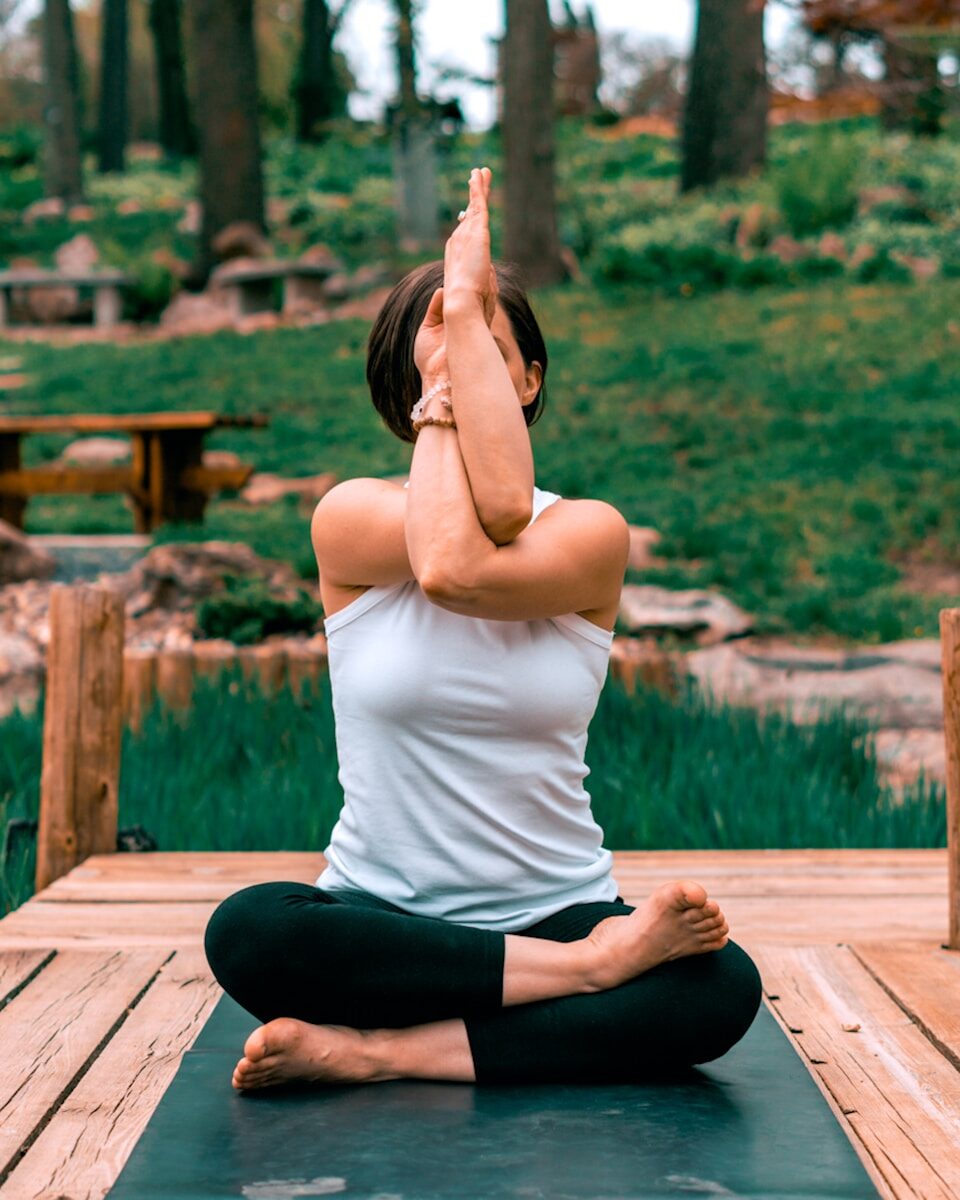
Yoga – the ritual of uniting body, breath, and presence
If these reflections resonated with you, you are welcome to share it further.
Yoga – more than physical exercise. A ritual over 4,000 years old
Yoga did not begin as physical exercise. It began as ritual.
Today, for many people, this meditative practice means postures, flexibility, or health. But for thousands of years, yoga was first and foremost a practice of inner transformation.
Some of the oldest representations associated with similar practices were discovered in the archaeological sites of the Indus Valley civilization, more than 4,000 years old. Archaeologists found seals depicting figures seated in positions of meditation or contemplation. Although interpretations are still debated, they suggest very ancient roots of bodily and spiritual practices in India.
Later, the Vedic texts and then Patanjali’s Yoga Sutra described this discipline of conscious bodily practice not as gymnastics, but as a path of discipline, attention, and inner unification.
The word yoga comes from the Sanskrit yuj, meaning “to unite,” “to connect,” “to bring together.”
The body was not the goal. The body was the doorway.
The historian of religions Mircea Eliade wrote that this ritual of conscious movement is “a technique of transforming consciousness.”
And Patanjali defined this journey into the body in simple terms: “Yoga is the cessation of the fluctuations of the mind.”(Yoga Sutra I.2)
Viewed anthropologically, this anchoring practice is a repetitive ritual that uses the body, the breath, and attention to produce a shift in state. This is exactly how many rituals around the world work: through repetition, rhythm, and presence.
Anthropologist Victor Turner observed that rituals create transitional spaces in which people temporarily step out of the ordinary rhythm of life and enter a different state of awareness and presence. In many ways, this practice of inner alignment works similarly: it creates an interval of time separate from daily agitation, in which attention is brought back to the body, the breath, and direct experience.
Joseph Campbell, in turn, noted that rituals reconnect us periodically to meaning and to the deeper dimension of existence. From this perspective, yoga can be seen not only as an individual practice, but as one of the modern ways in which people seek to restore this connection.
Perhaps this is why millions of people continue to practice yoga today. Not because they want to achieve a perfect posture. But because, for a few minutes, the noise quiets down.
Examples of similar ritual practices around the world:
– traditional yoga in India, practiced at sunrise as a spiritual discipline
– zazen in Japanese Buddhist temples, where body and posture support meditation
– tai chi in China, a form of conscious movement and energy cultivation
– walking meditation in Buddhist traditions, where each step becomes an object of attention
Perhaps the real question is not how flexible the body is. But whether, for a few moments, we manage to be where we are.
👉 Is there a practice you repeat almost every day that helps you return to yourself?
👉 Have you ever had a moment when movement, breath, or silence completely changed how you felt?
👉 Do you think modern rituals like yoga, meditation, or mindful walking respond to a need humans have always had?
Support the article library
If this article has been meaningful to you and you’d like to support this project, you’re welcome to make a voluntary contribution.
This contribution helps me continue writing freely and developing the resource library about body, soul, rituals, emotions, and inner transformation.