
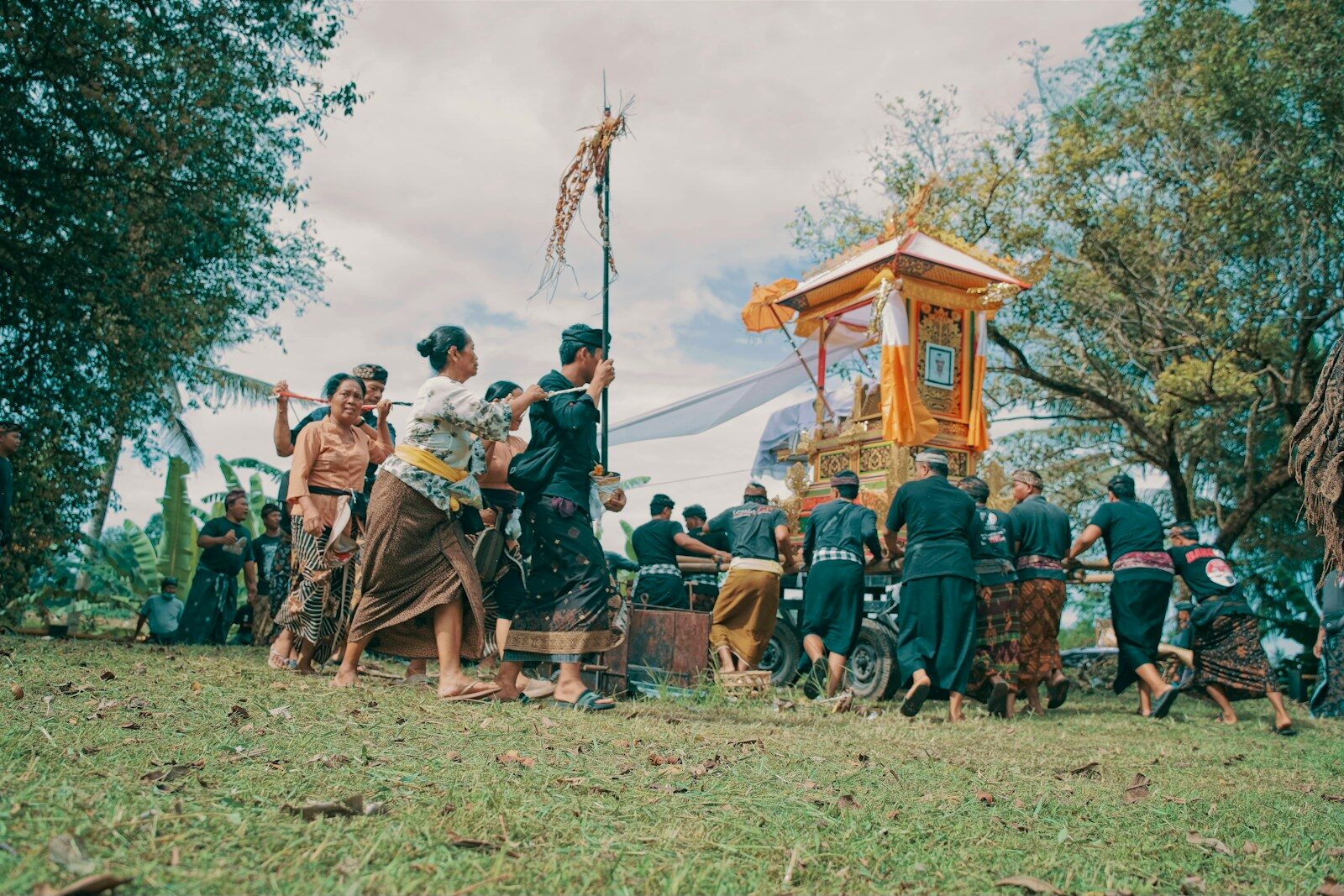
Famadihana – when the ancestors are brought back into the midst of the family
The Malagasy ritual of turning the bones: when the ancestors are brought back into the midst of the family.


The Malagasy ritual of turning the bones: when the ancestors are brought back into the midst of the family.
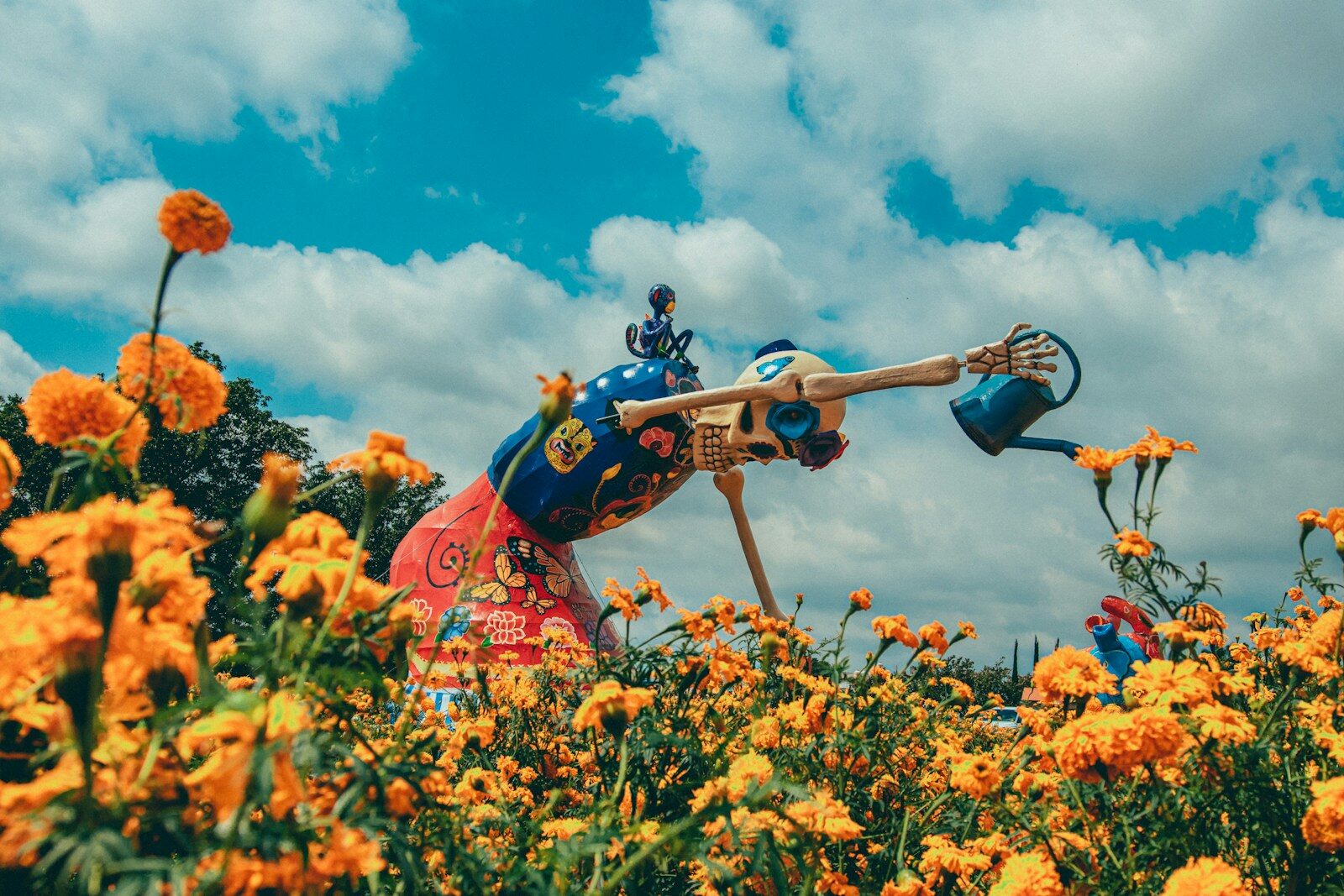
The Mexican Day of the Dead: the ritual that gives the departed a place at the family table again.
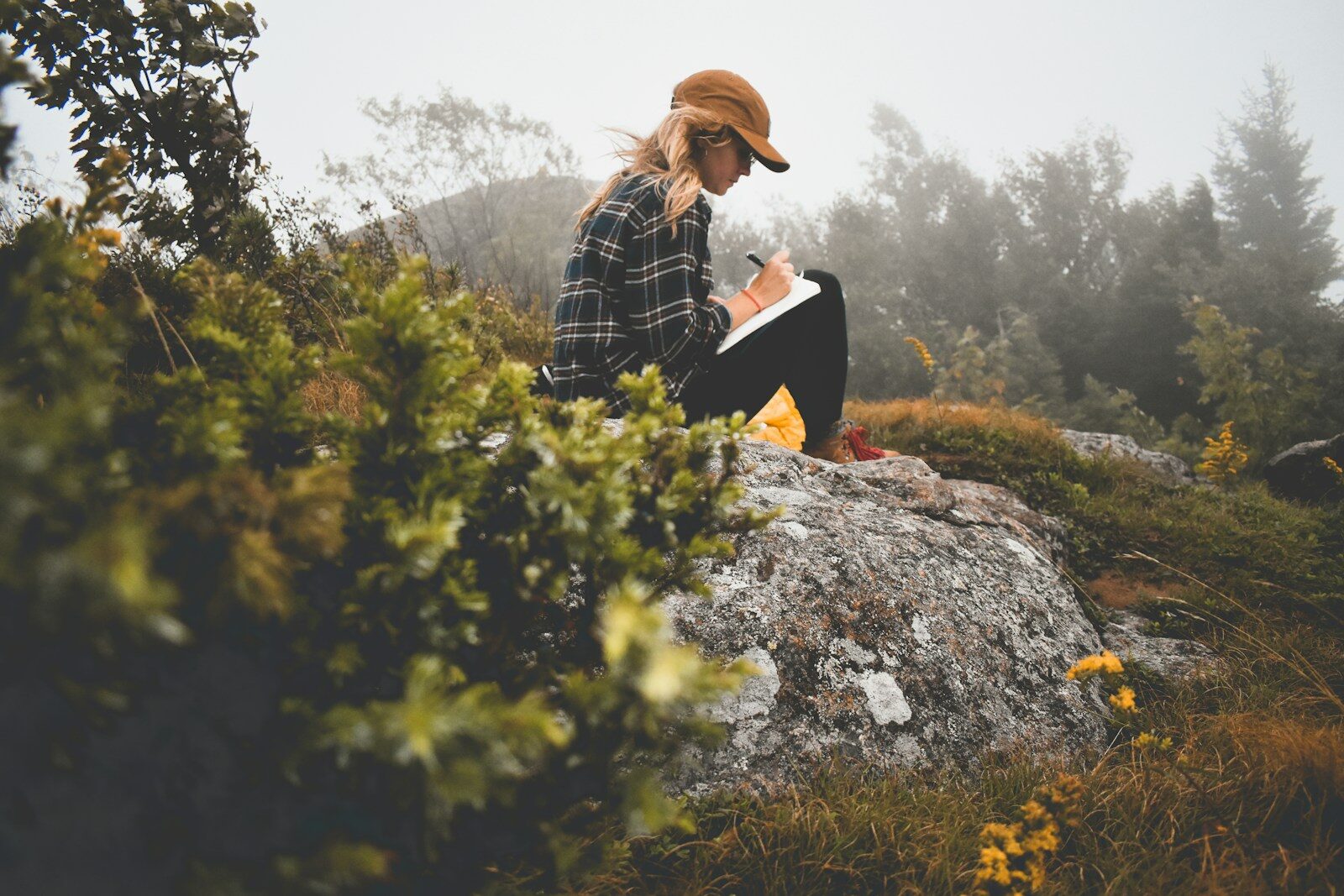
How a few written pages become a meeting place with yourself, and why journaling helps thoughts stop spinning.
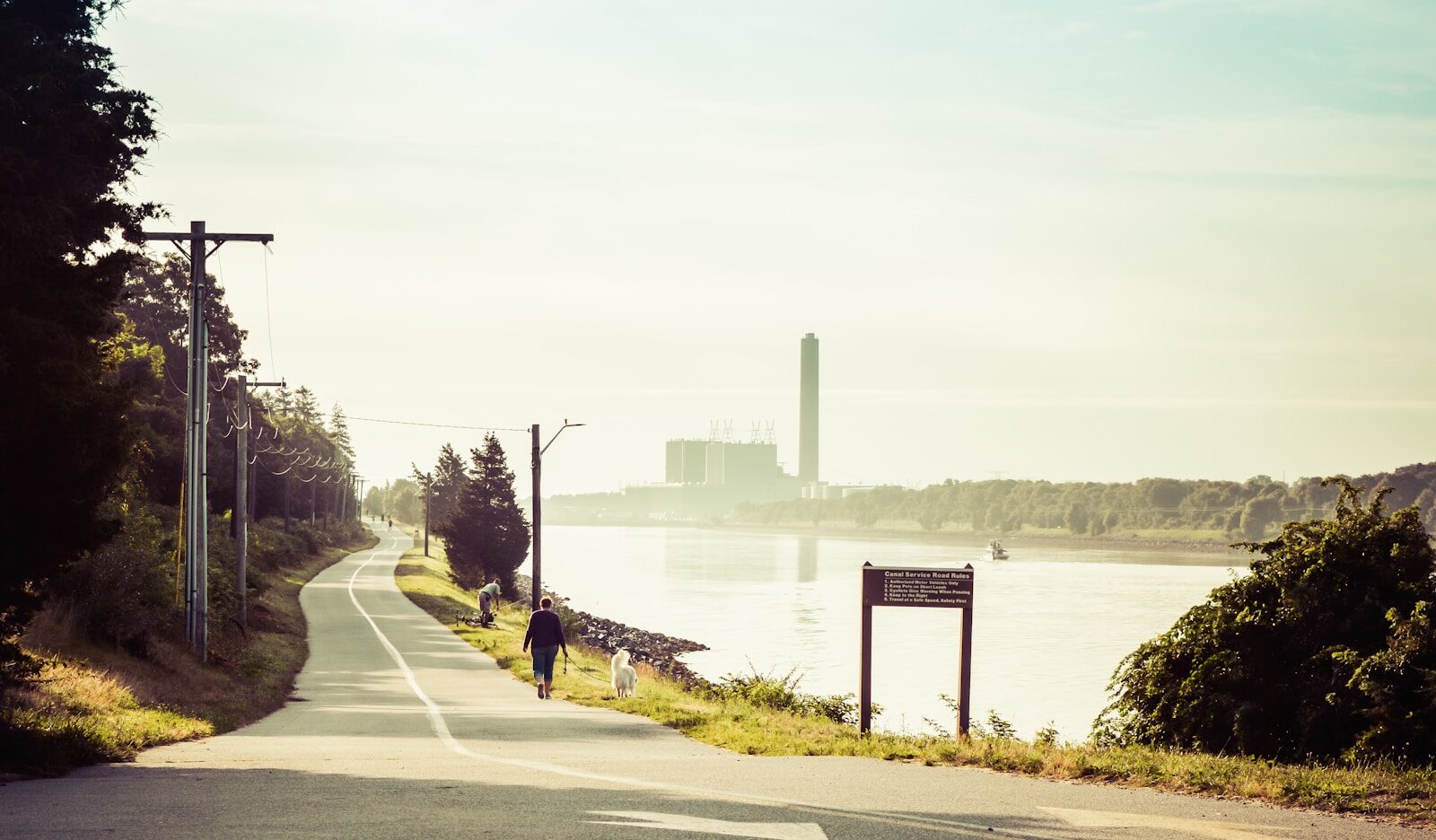
How a few steps outside, before the street fills, become a simple ritual of presence that rearranges the day.
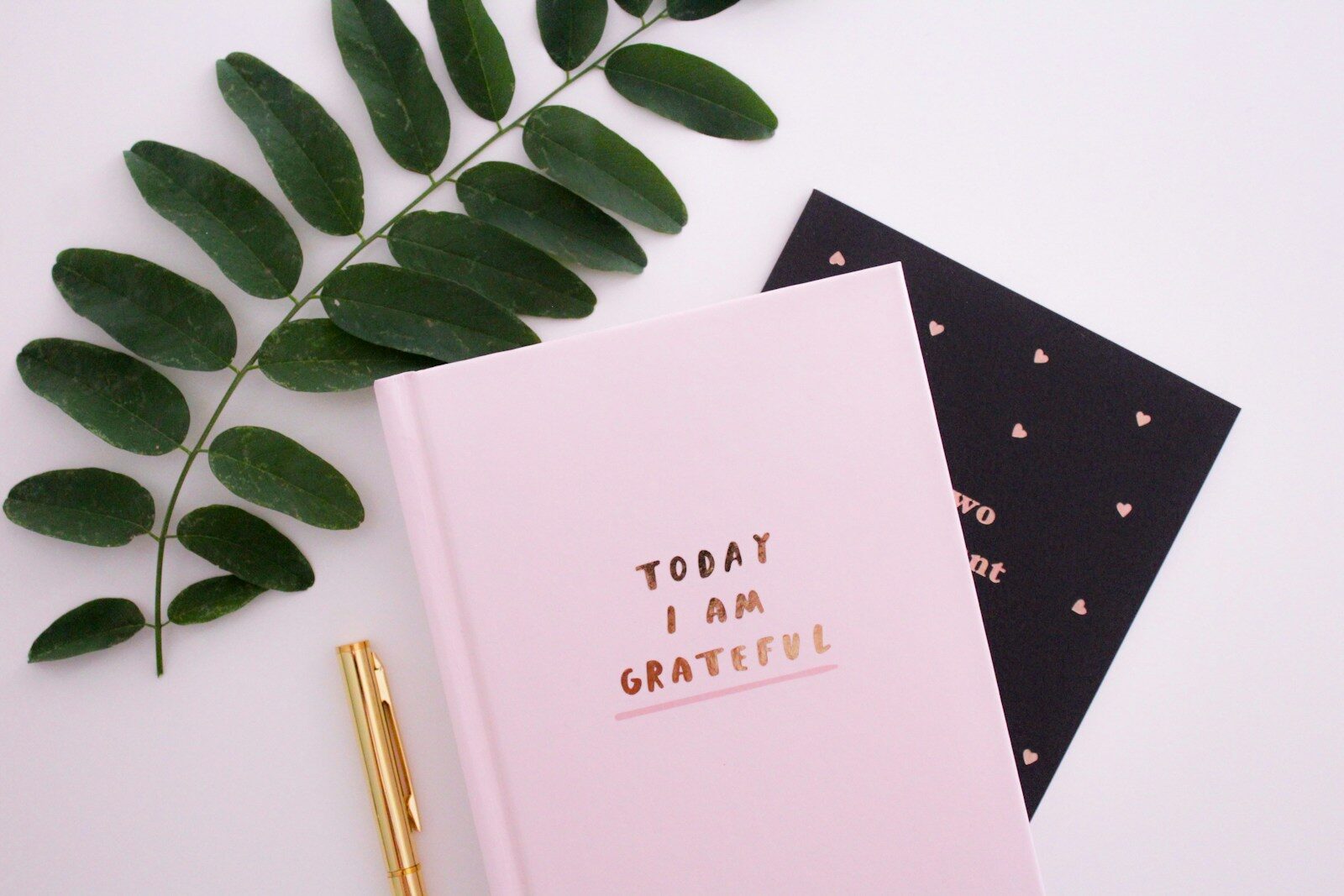
How a few lines written each evening become a different way of seeing the same life.
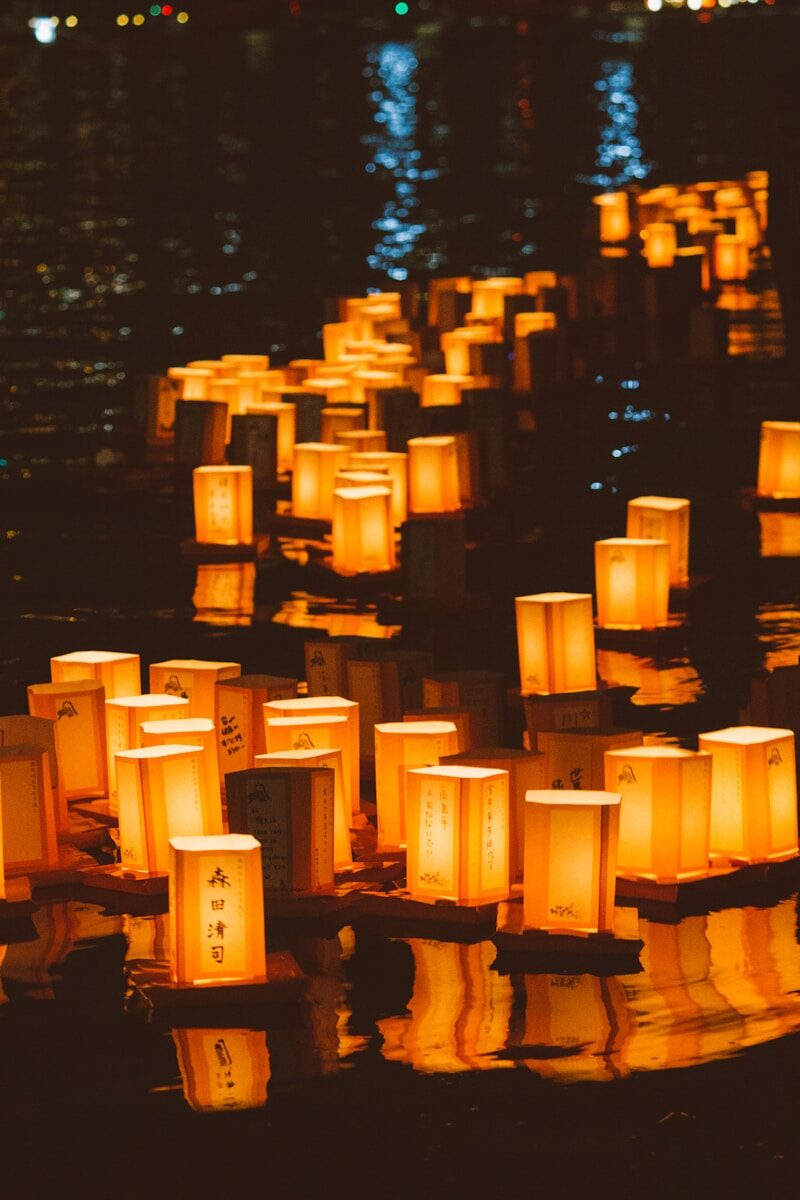
The Japanese Obon ritual that keeps the bond between the living and the departed alive for a few days each year.
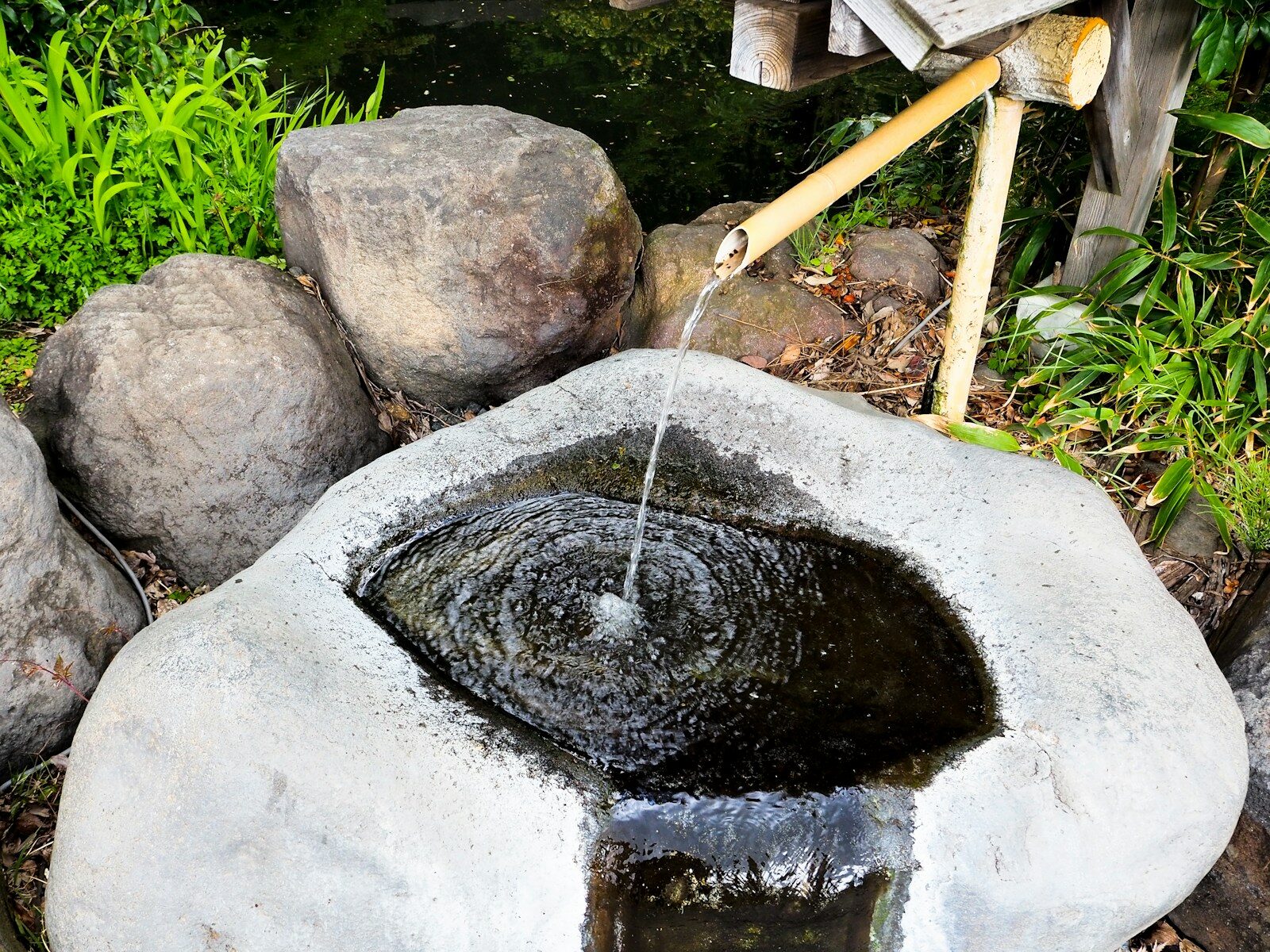
The ritual in which water doesn’t just wash the body but marks a new inner state – a new beginning.
The place kept in the home for those who came before: the ritual that keeps the family whole across generations.
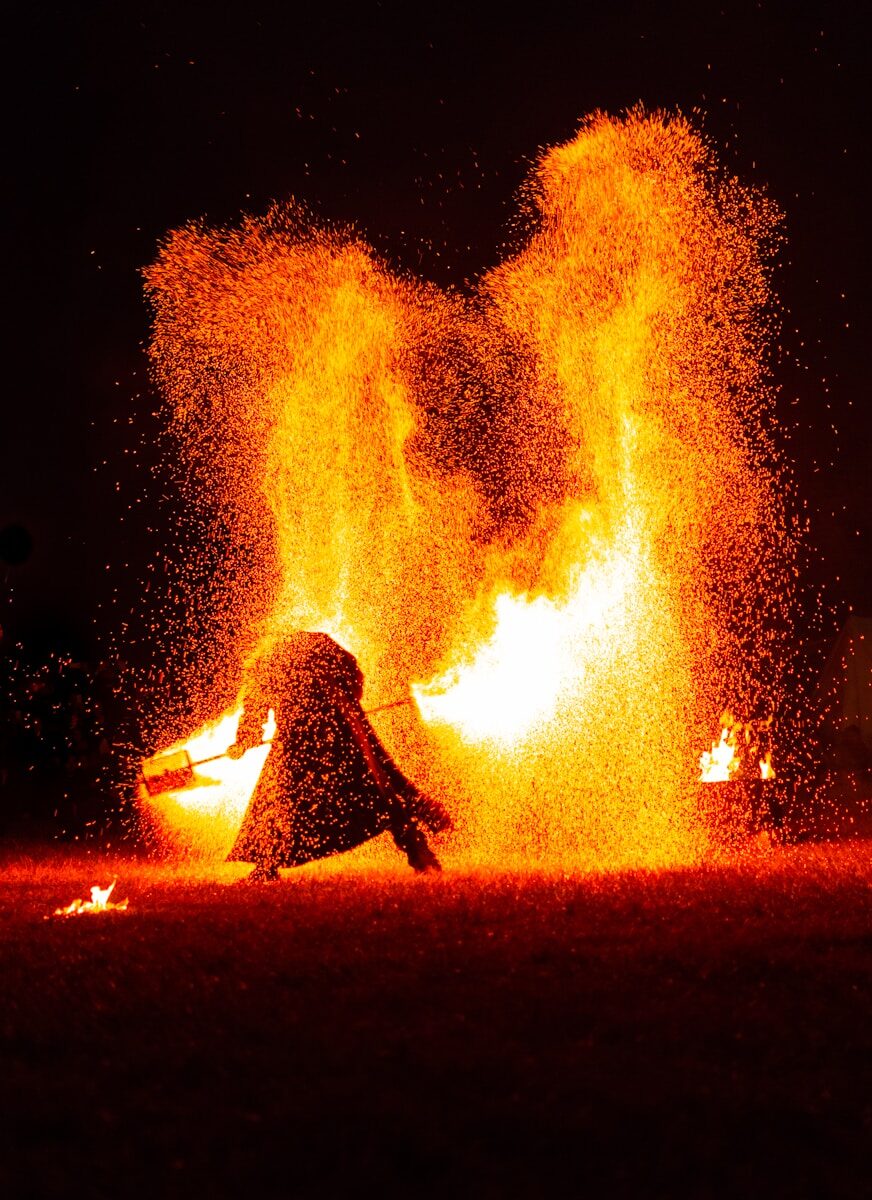
The Celtic Beltane ritual that marked the beginning of summer and the rebirth of life through light and fire.
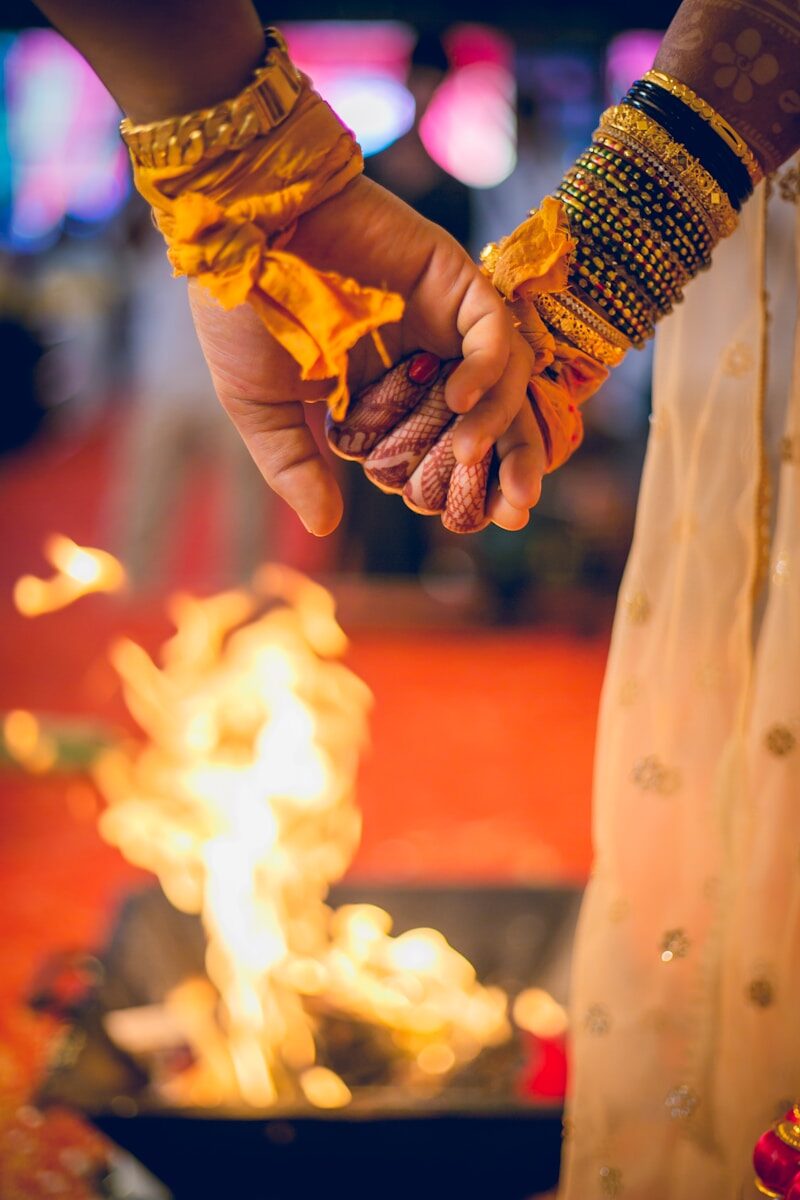
The Hindu wedding ritual in which marriage is seen as a path, not a destination: two people walking around the fire.
The Malagasy ritual of turning the bones: when the ancestors are brought back into the midst of the family.
The Mexican Day of the Dead: the ritual that gives the departed a place at the family table again.
How a few written pages become a meeting place with yourself, and why journaling helps thoughts stop spinning.
How a few steps outside, before the street fills, become a simple ritual of presence that rearranges the day.
How a few lines written each evening become a different way of seeing the same life.
The Japanese Obon ritual that keeps the bond between the living and the departed alive for a few days each year.
The ritual in which water doesn’t just wash the body but marks a new inner state – a new beginning.
The place kept in the home for those who came before: the ritual that keeps the family whole across generations.
The Celtic Beltane ritual that marked the beginning of summer and the rebirth of life through light and fire.
The Hindu wedding ritual in which marriage is seen as a path, not a destination: two people walking around the fire.