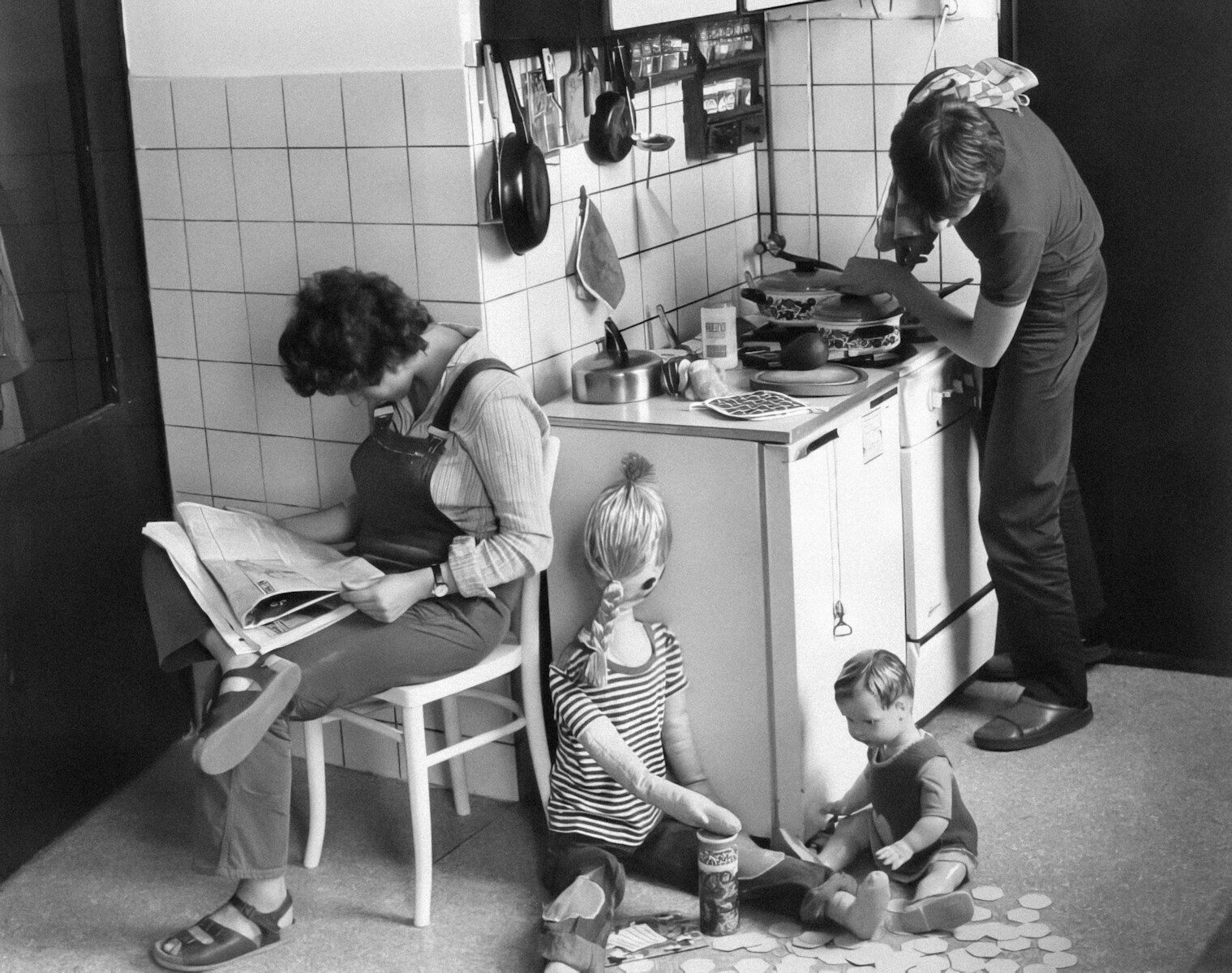
Siesta in Spain – the ritual of stopping time for a while

If these reflections resonated with you, you are welcome to share it further.
Siesta in Spain – the ritual of pause and balance in the middle of the day
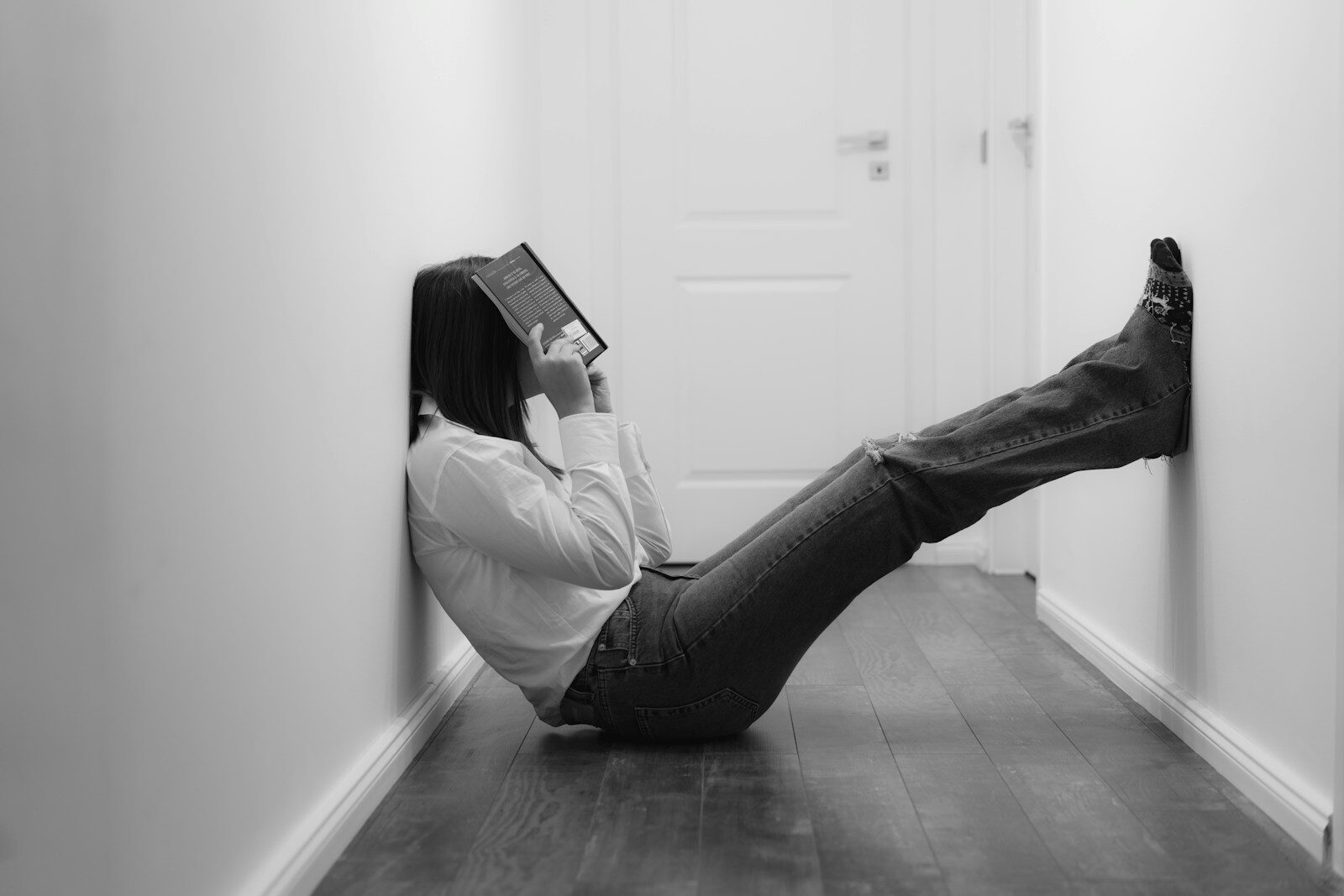
In a world that seems to value speed, productivity, and constant availability, the siesta can almost look like an act of rebellion.
And yet, for entire generations, in many regions of Spain, stopping activity in the middle of the day was something natural.
It wasn’t about laziness. It wasn’t about lack of ambition. It was about rhythm.
Traditionally, the siesta in Spain took place during the hottest hours of the day. Shops closed, streets emptied, and people withdrew for rest, lunch, or time spent with family.
Although today we associate the siesta mainly with Spain, the custom is much more widespread. Similar forms of midday rest have existed throughout history in many regions of the Mediterranean, the Middle East, South Asia, and Latin America.
Even the word siesta has ancient roots. It comes from the Latin expression hora sexta — “the sixth hour,” counted from sunrise, meaning the moment around noon. In other words, what we now call a simple “lunch break” still carries traces of a practice that has accompanied human life for centuries.
Historians note that this habit developed both for climatic reasons and from the practical need to adapt work to environmental conditions.
But beyond utility, the siesta in Spain became a cultural ritual. A moment in which the day was divided in two. A pause between what has been and what is yet to come.
Anthropologists have observed that many traditional cultures include such moments of temporary withdrawal from activity. Not to produce more, but to maintain balance between effort and recovery.
Today, urban life has changed the siesta significantly. In large Spanish cities, fewer and fewer people can actually sleep in the afternoon.
And yet, the idea behind the siesta remains surprisingly relevant. Maybe we don’t need two hours of sleep. Maybe we need ten minutes in which we simply stop.
To close the screen. To breathe. To step outside for a few minutes of light. To drink a glass of water without doing anything else at the same time.
In many modern companies, rest areas, relaxation rooms, or mindful breaks are already appearing — inspired by the same need that the siesta has responded to for centuries.
Perhaps the true value of the siesta is not the sleep. Perhaps it is the permission not to be constantly in motion.
In a culture that teaches us to run endlessly, sometimes the most important ritual is not to do something extra. But to stop for a few moments.
Siesta – from a traditional Spanish custom to a modern ritual of slowing down.
👉 Is there a moment during the day when you allow yourself to truly slow down?
👉 If you had ten minutes just for yourself in the middle of the day, how would you use them?
👉 When was the last time you took a break without checking your phone?
Support the article library
If this article has been meaningful to you and you’d like to support this project, you’re welcome to make a voluntary contribution.
This contribution helps me continue writing freely and developing the resource library about body, soul, rituals, emotions, and inner transformation.