
The Ritual of the 9 – a concentrated pilgrimage of consciousness
A universal model of initiation adaptable to any culture: transformation comes not from the place, but from the walking.


A universal model of initiation adaptable to any culture: transformation comes not from the place, but from the walking.
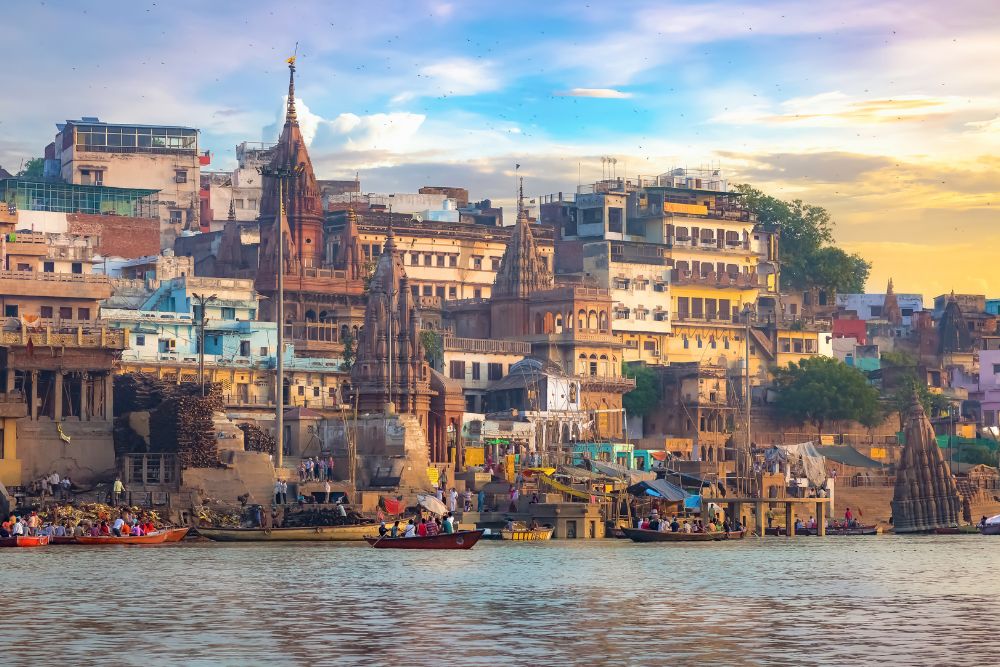
Panchakroshi Yatra, the ritual walk around Varanasi: transformation through a slow, repetitive and steady process.

The ritual of the Seven Churches of Rome, systematized by Philip Neri in the 16th century: a pilgrimage of inner realignment.

Te Araroa, “The Long Path” across New Zealand: over 3,000 km of beaches, forests, mountains and rivers, walked as a ritual of a lifetime.
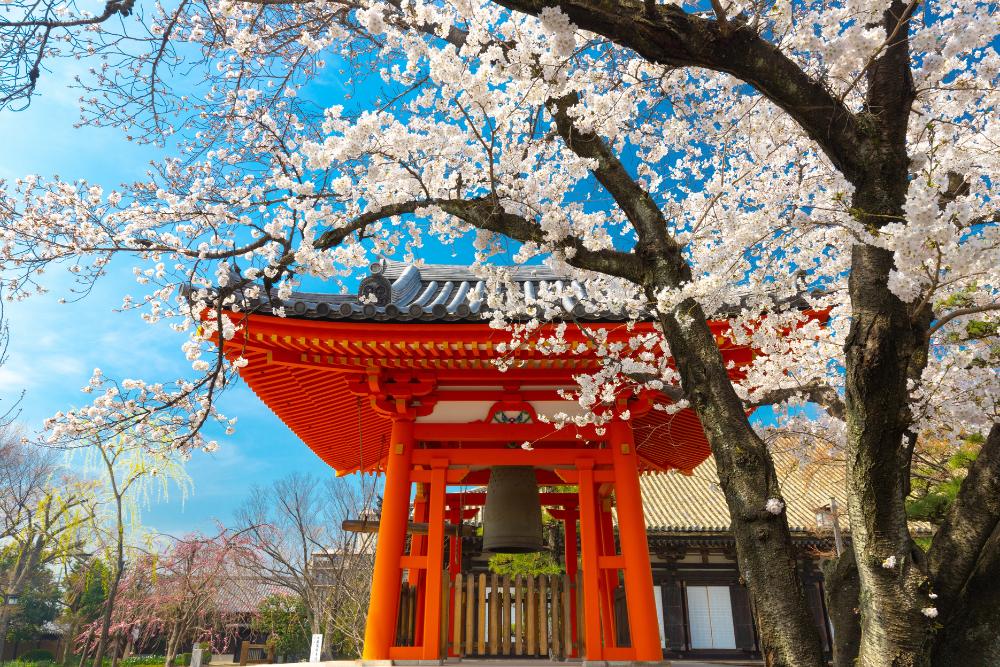
The Shikoku pilgrimage is a circle of 88 temples, a geographic mandala: a cyclical walking ritual that teaches you to return.
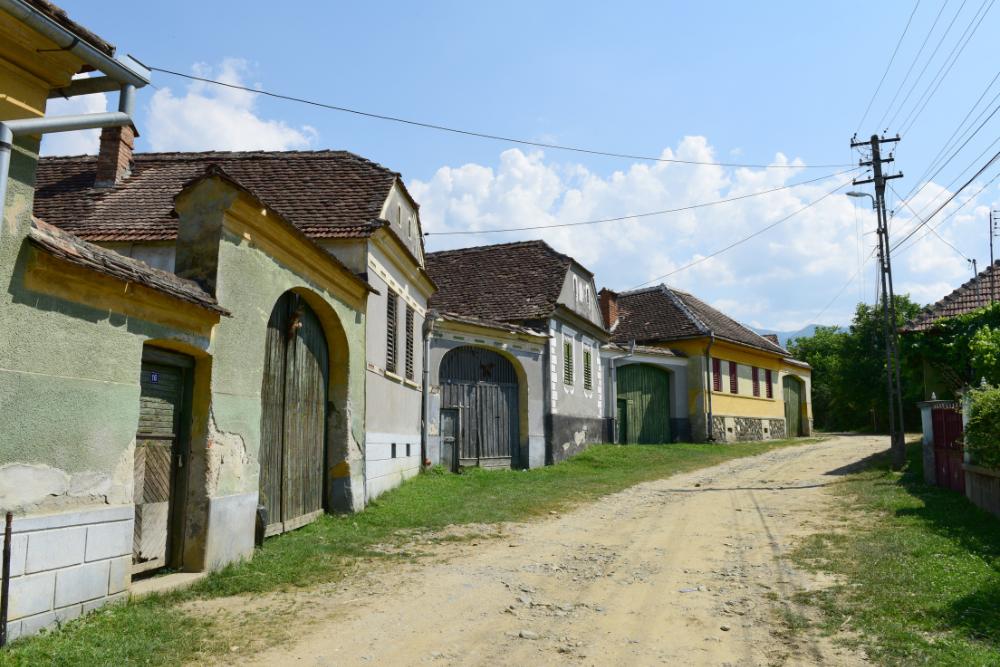
Via Transilvanica crosses living layers of Romanian culture – Dacian, Roman, medieval, rural – a walking path back to your roots.

Via Francigena, the pilgrimage road linking northern and southern Europe: a path of connection between cultures and between worlds.

The Inca Trail as ritual architecture: altitude, stone steps and effort that empty you of will and teach you to surrender.
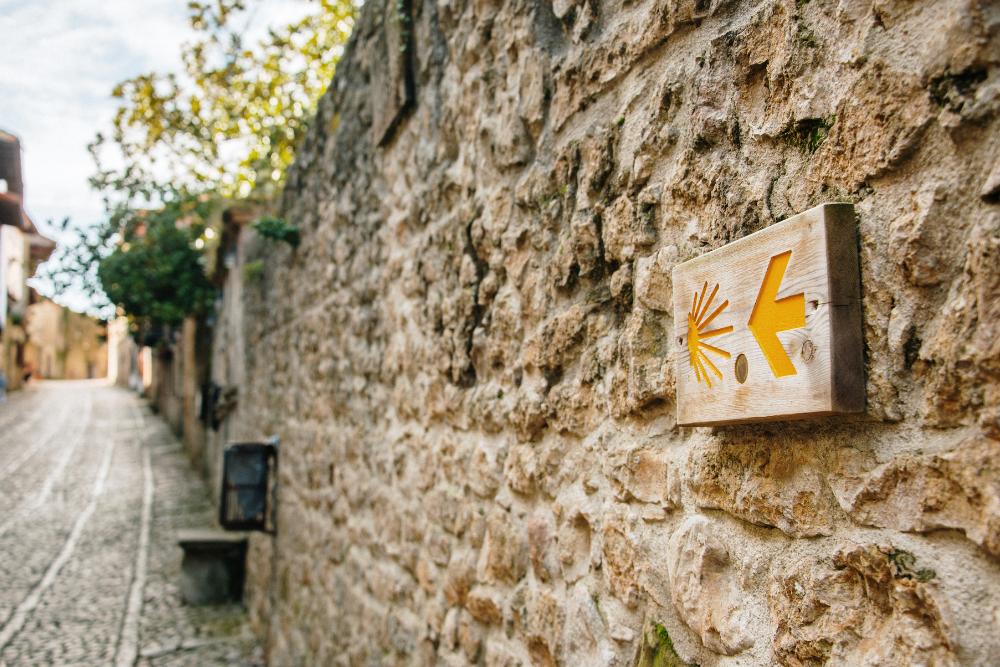
The Camino de Santiago as a sequence of letting go: you do not walk to add something, but to let something fall away.

Kumano Kōdō was born as a ritual: a Japanese pilgrimage rooted in Shugendo, where walking itself becomes spiritual practice.
A universal model of initiation adaptable to any culture: transformation comes not from the place, but from the walking.
Panchakroshi Yatra, the ritual walk around Varanasi: transformation through a slow, repetitive and steady process.
The ritual of the Seven Churches of Rome, systematized by Philip Neri in the 16th century: a pilgrimage of inner realignment.
Te Araroa, “The Long Path” across New Zealand: over 3,000 km of beaches, forests, mountains and rivers, walked as a ritual of a lifetime.
The Shikoku pilgrimage is a circle of 88 temples, a geographic mandala: a cyclical walking ritual that teaches you to return.
Via Transilvanica crosses living layers of Romanian culture – Dacian, Roman, medieval, rural – a walking path back to your roots.
Via Francigena, the pilgrimage road linking northern and southern Europe: a path of connection between cultures and between worlds.
The Inca Trail as ritual architecture: altitude, stone steps and effort that empty you of will and teach you to surrender.
The Camino de Santiago as a sequence of letting go: you do not walk to add something, but to let something fall away.
Kumano Kōdō was born as a ritual: a Japanese pilgrimage rooted in Shugendo, where walking itself becomes spiritual practice.