If these reflections resonated with you, you are welcome to share it further.
Oktoberfest – the modern ritual of belonging and collective celebration
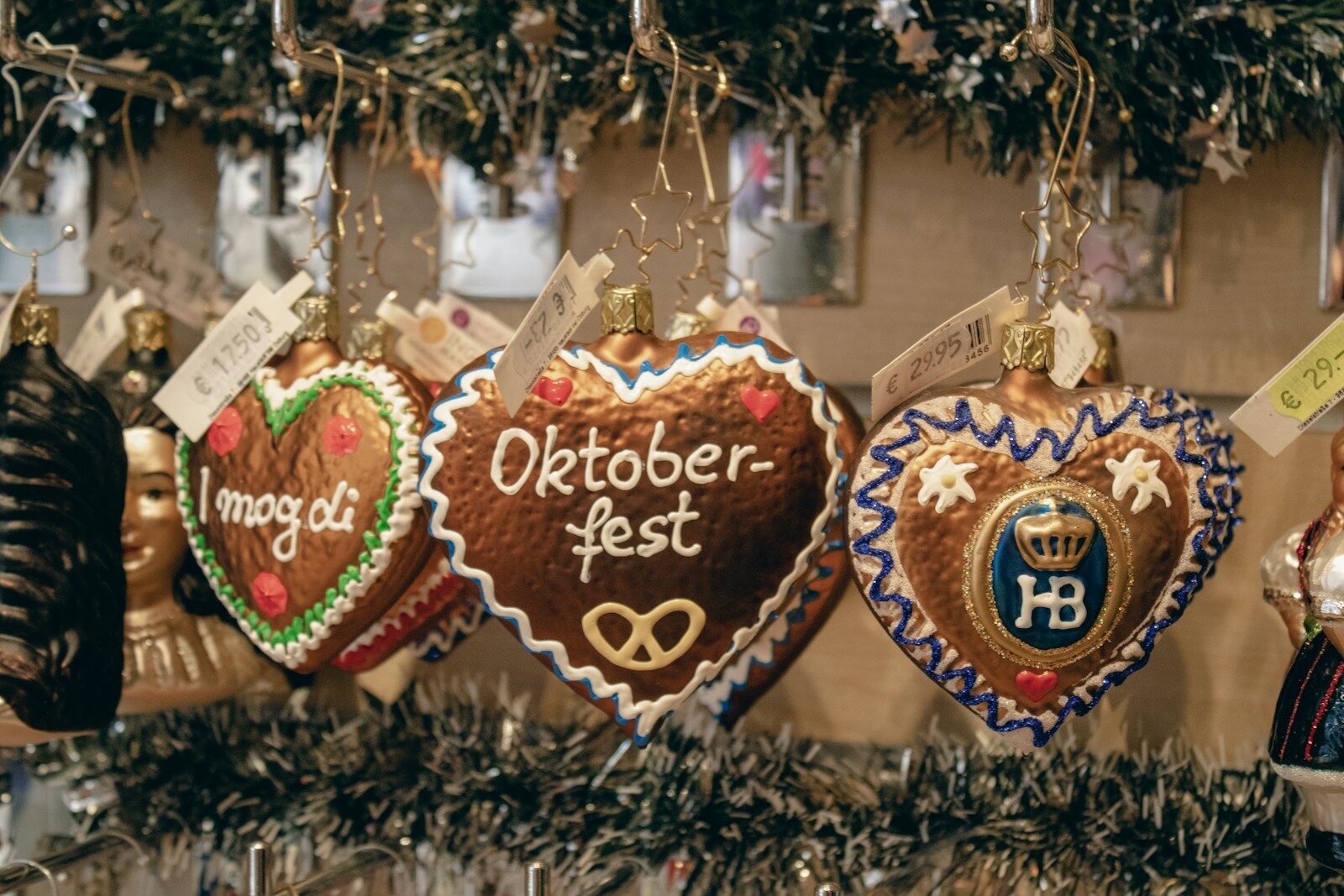
Every year, millions of people gather in Munich for Oktoberfest.
At first glance, it may seem like just a festival dedicated to beer. But looked at more closely, Oktoberfest is one of the largest modern social rituals in the world.
It all begins in 1810, when Crown Prince Ludwig of Bavaria marries Princess Therese of Saxony‑Hildburghausen. The residents of Munich are invited to take part in the festivities and in the horse races organized to celebrate the event.
The celebration is such a success that it is repeated in the following years. Over time, the event grows, transforms, and becomes what we now know as Oktoberfest.
Although the name suggests October, the festival usually begins in the second half of September and continues into early October.
From an anthropological perspective, what is striking is not only the scale of the event, but the fact that millions of people repeat the same gestures, in the same place, year after year.
They wear traditional costumes.
They sing the same songs.
They sit at communal tables.
They raise their glasses in a synchronized gesture.
They take part in parades and processions.
Sociologist Émile Durkheim described such moments as forms of “collective effervescence” — situations in which people feel they are part of something larger than themselves.
British anthropologist Anthony P. Cohen observed that community identity is built not only through rules and institutions, but also through shared symbols and lived experiences.
And Oktoberfest seems to function exactly in this way. It is not only about what is consumed. It is about what is created between people.
The long tables bring strangers together. The music synchronizes the rhythm of the group. Traditional costumes connect the present with the history of the place.
In many cultures, rituals marked the seasons, the harvest, or important transitions in community life.
In a way, Oktoberfest continues the same human need: the need to step out of ordinary routine, the need to celebrate together, the need to feel — even for a few hours — that we belong to a larger group.
Perhaps its success lies not only in tradition. Perhaps it lies in the fact that it offers something many modern societies increasingly long for: real experiences shared with other people.
Sometimes ritual does not mean silence. Sometimes ritual means music, laughter, full tables, and the feeling that, for a while, you are part of the same story as those around you.
👉 What was the last event where you truly felt you belonged to a group or community?
👉 Is there a tradition you repeat every year that makes you feel connected to others?
👉 What do you think is missing more today: time for celebration or the feeling of belonging?
❤️ Support the article library
If this article has been meaningful to you and you’d like to support this project, you’re welcome to make a voluntary contribution.
This contribution helps me continue writing freely and developing the resource library about body, soul, rituals, emotions, and inner transformation.