

Initiation ritual dance – when transformation moved through the body
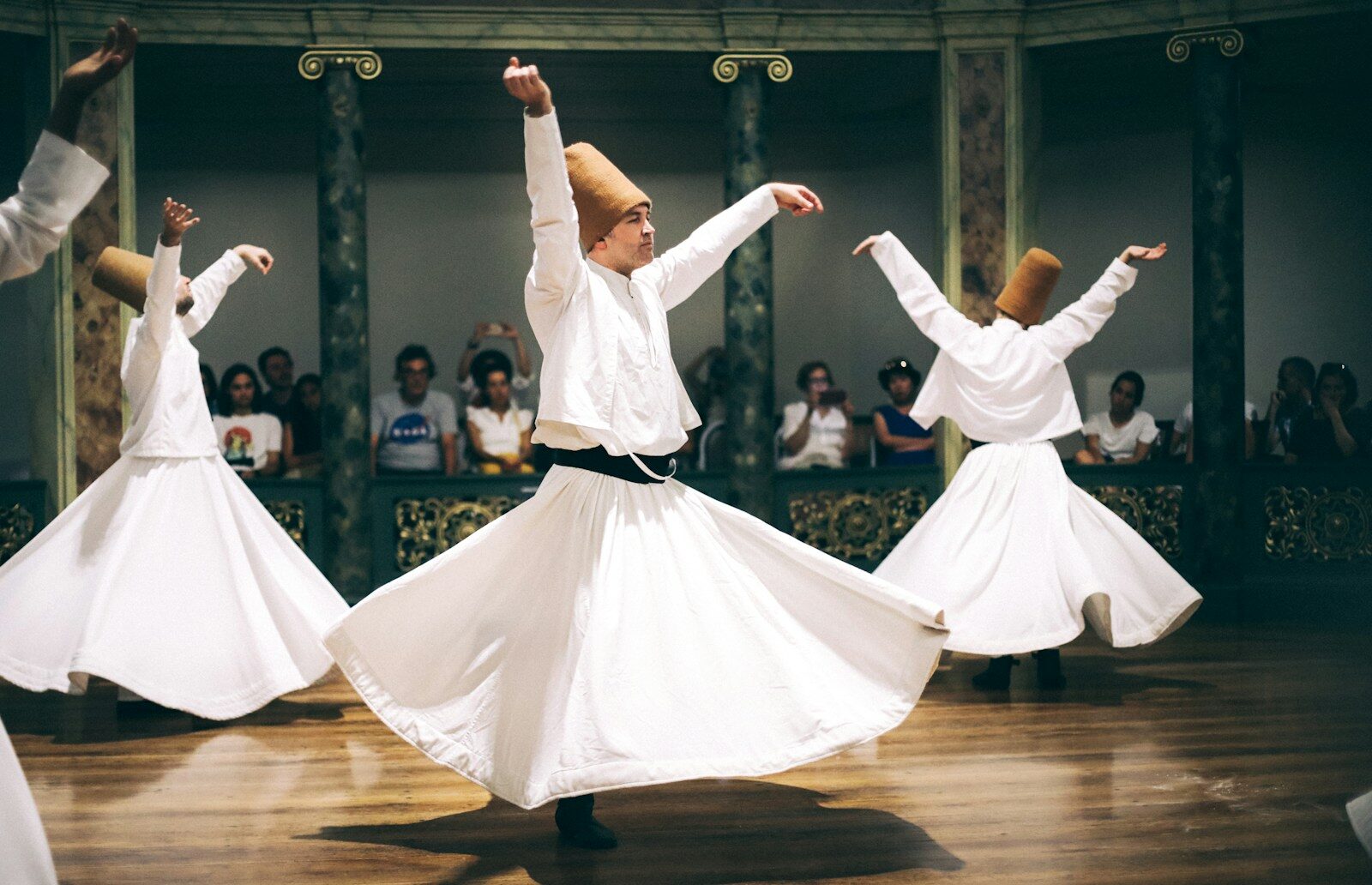
Ritual dance — not just artistic expression, but a rite of passage.
In many traditional cultures, ritual choreography was not merely artistic expression, but a rite of passage through which the community marked transformation, belonging, and the entrance into a new stage of life.
Anthropologists have documented in numerous African tribes and communities ceremonial initiation movements through which children marked the transition into adulthood, and the community acknowledged this transformation.
In some rituals, the dance lasted for hours or even days. The rhythm of the drums, the repetitive movements, the chanting, and the presence of the group created a different state of consciousness and belonging. It wasn’t only the body that danced. The entire community danced.
Such practices of conscious ritual movement appear in many regions of Africa. Among the Maasai people of Kenya and Tanzania, the ritual jumps of the adumu dance are associated with courage and the passage into warriorhood. In the Dogon traditions of Mali, ceremonial dances accompany important moments in the life of the community. In West Africa, many initiation rituals are accompanied by drums, song, and collective movement through which the community recognizes the new status of the participants.
Anthropologist Victor Turner described initiation rituals as “liminal spaces” — moments in which a person is no longer who they were, but not yet fully who they are becoming.
And French ethnologist Marcel Griaule, who studied Dogon traditions in Mali, observed that in many African rituals, the movement of the body is considered a form of transmitting memory and the order of the community.
For many of these cultures, transformation was not something you understood only with the mind. It had to be carried through the body.
Perhaps this is why the ritual of rhythm exists in so many places around the world. Because sometimes the body can express what words are not yet able to say.
👉 Is there a piece of music or a sacred rhythm that makes you feel closer to yourself?
👉 Have you ever experienced a moment when music and movement expressed something you couldn’t put into words?
👉 What tradition, rhythmic ritual, or celebration gives you the strongest sense of belonging to a community?
Share this article
 Support the article library
If this article has been meaningful to you and you’d like to support this project, you’re welcome to make a voluntary contribution.
This contribution helps me continue writing freely and developing the resource library about body, soul, rituals, emotions, and inner transformation.
