
Tai Chi – when slow movement becomes ritual
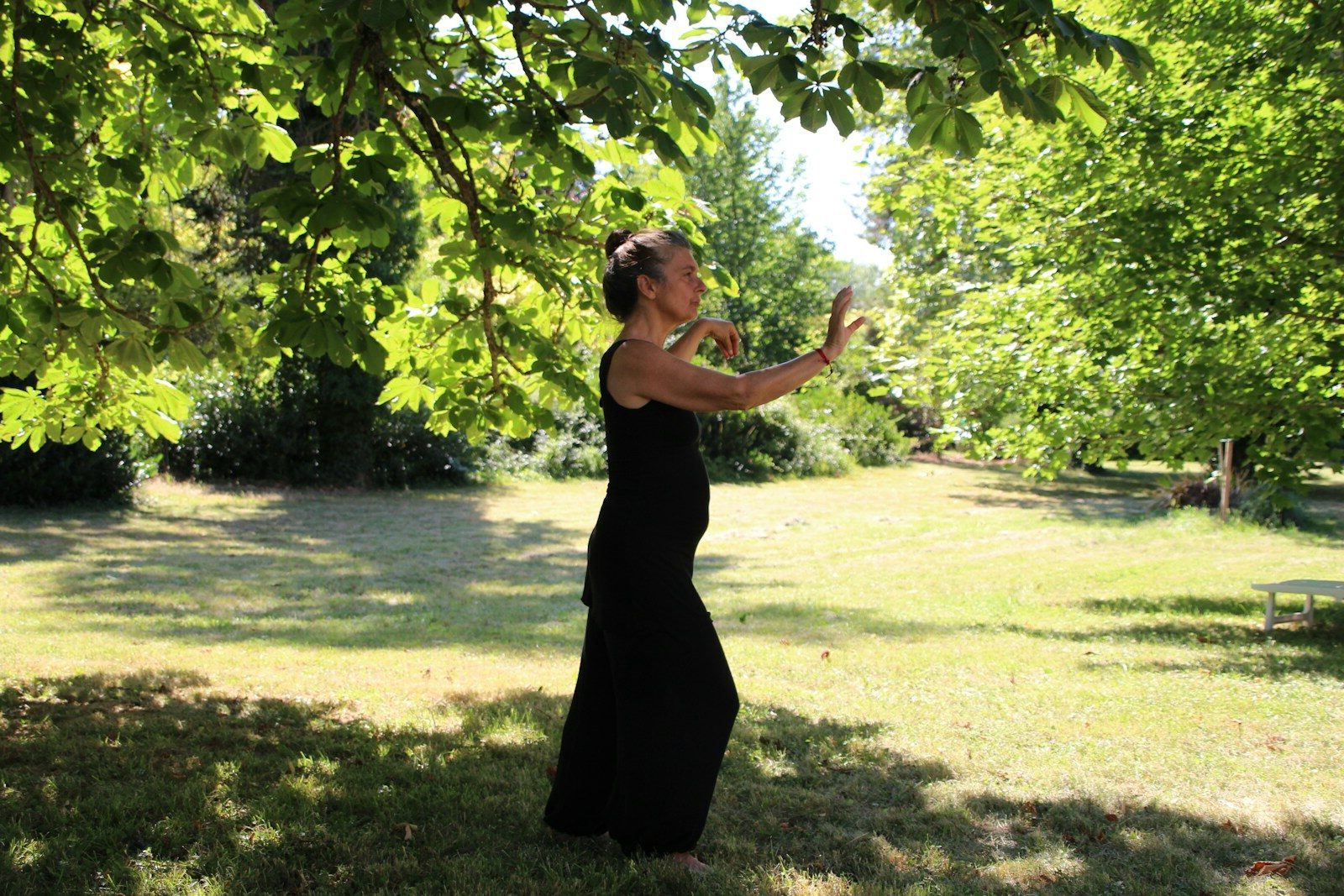
Tai Chi – the Chinese art that turns every movement into an act of presence
Today, many people see the alchemy of slow movement as a gentle form of exercise or health‑oriented gymnastics. But its origins are much deeper.
For centuries, Tai Chi was practiced in China not only as a martial art, but also as a discipline for cultivating inner balance, attention, and the relationship between body and energy.
The earliest forms of Tai Chi appeared in imperial China, associated with Taoist traditions and with the understanding of harmony between humans and nature. In Taoist philosophy, the universe is seen as a continuous interplay of complementary forces — yin and yang — and the practice aims precisely to cultivate this balance within the human being.
From the outside, Tai Chi looks simple.
Slow movements.
Measured steps.
Arms gliding almost effortlessly.
But it is precisely this slowness that is essential.
Instead of pursuing performance or speed, the practice invites attention to return to each gesture. Breath, posture, and movement begin to work together in a rhythm that resembles a ritual more than a workout.
The French sociologist and anthropologist Marcel Mauss observed that every culture develops specific ways in which people learn to use their bodies. He called these practices “techniques of the body” — gestures and movements passed down from one generation to another, shaping not only the body but also the way a person relates to the world.
Tai Chi is one of these examples.
It is not just a sequence of movements. It is a form of knowledge transmitted through the body.
Anthropologist Thomas Csordas proposed the idea that the body is not merely an object we possess, but the place through which we experience reality. From this perspective, practices like Tai Chi become ways in which people cultivate presence and their relationship with their own experience.
Perhaps this is why millions of people continue to practice Tai Chi today.
Not to get somewhere.
But to learn how to be where they already are.
Examples of similar ritual practices around the world:
– Tai Chi practiced in the morning in Chinese parks, as a daily ritual of balancing and cultivating energy
– Qi Gong, an older Chinese tradition based on breath, attention, and conscious movement
– – traditional yoga in Indiawhere posture and breath support inner transformation
– walking meditation in Buddhist traditions, where each step becomes part of the practice
Perhaps the true value of such a practice does not lie in how far it takes you.
But in its ability to bring you back.
👉 Is there a slow activity you do that helps you feel more present in your own body?
👉 How do you relate to the idea that sometimes slowing down can be more transformative than rushing?
👉 Have you ever experienced a simple, consciously repeated movement that changed your inner state?
Share this article
 Support the article library
If this article has been meaningful to you and you’d like to support this project, you’re welcome to make a voluntary contribution.
This contribution helps me continue writing freely and developing the resource library about body, soul, rituals, emotions, and inner transformation.