

Aztec Rituals – when sacrifice was seen as a link between humans and the cosmos
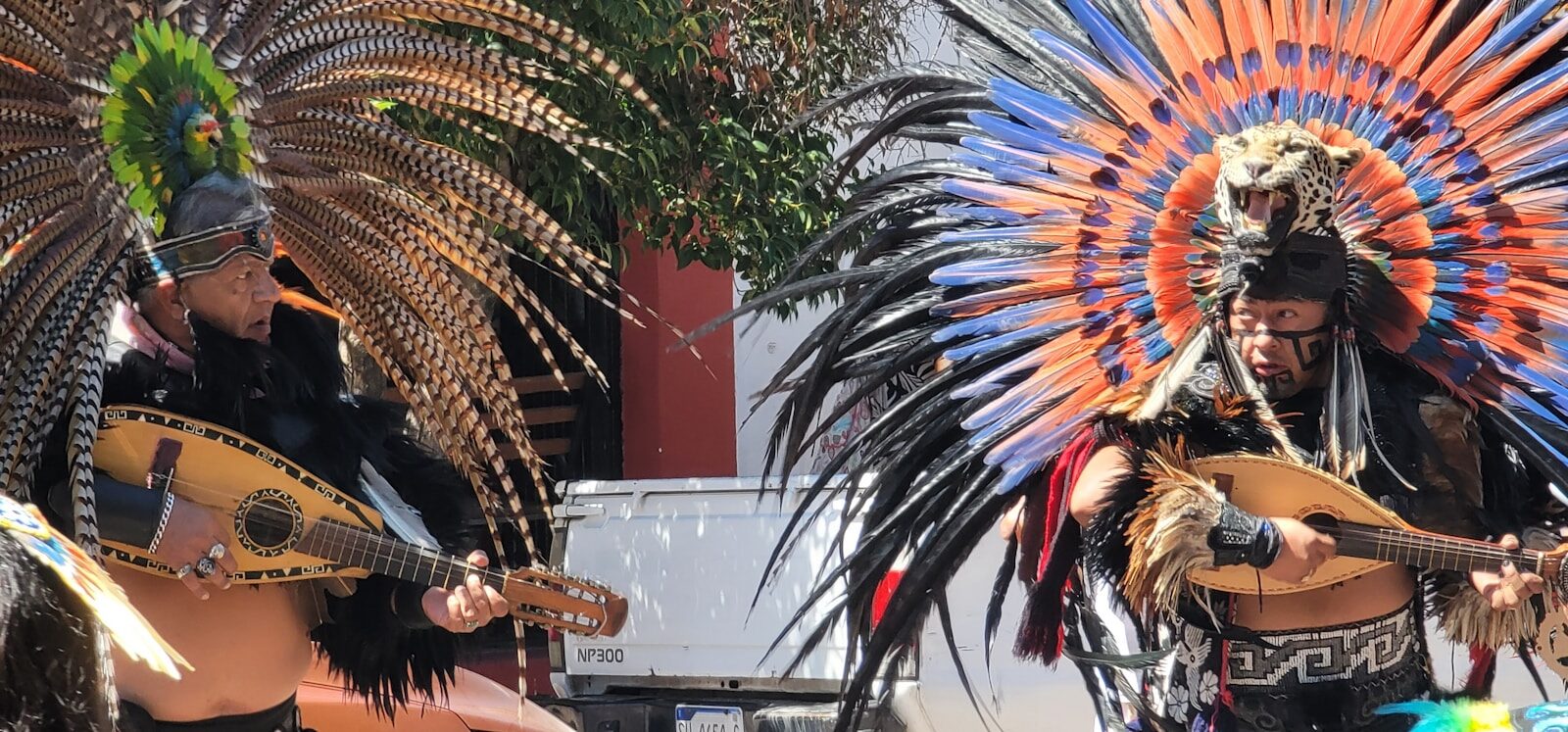
Aztec rituals — some of the most intense and difficult‑to‑understand rituals in history have been those of Aztec civilization.
Among the most complex rituals of the ancient world, Aztec ceremonies reflected a worldview in which the order of the universe, the relationship with the gods, and the life of the community were deeply interconnected.
In pre‑Columbian Mexico, the Aztecs practiced human sacrifice within complex religious ceremonies, rooted in the belief that the universe had to be sustained through reciprocal exchange between humans and the gods.
Archaeologists have uncovered temples, altars, and extensive evidence of these practices in places such as the Templo Mayor of ancient Tenochtitlán, the capital of the Aztec Empire.
Discoveries around the Templo Mayor have given researchers a direct perspective on how religion, political power, and community life were tightly woven together in Aztec civilization.
For the modern world, these rituals can seem shocking and difficult to accept.
But anthropologists emphasize something essential: they must be understood within the symbolic and cosmological framework of their time.
For the Aztecs, the sun, the harvests, and the order of the world depended on the continuity of ritual. Sacrifice was not perceived as gratuitous cruelty, but as part of a sacred relationship between humans and the cosmos.
Anthropologist Michael Harner and other researchers studied how fear, power, religion, and social organization intertwined in these collective ceremonies. And historian Mircea Eliade noted that many ancient rituals aimed to symbolically recreate the order of the world and keep the community connected to the meaning of existence.
Perhaps this is one of the most important things the study of rituals reveals: humans have always performed extreme, symbolic, or repetitive gestures to make sense of the unknown and to feel they have a place in a universe much larger than themselves.
Today our rituals look different. But the need for meaning, belonging, and transformation seems to have remained the same.
👉 What ritual or repetitive gesture gives you stability in a world that changes so quickly?
👉 Is there a tradition or ritual from another culture that made you see the world differently?
👉 If someone were to study our society’s rituals a thousand years from now, which ones do you think would surprise them the most?
Share this article
 Support the article library
If this article has been meaningful to you and you’d like to support this project, you’re welcome to make a voluntary contribution.
This contribution helps me continue writing freely and developing the resource library about body, soul, rituals, emotions, and inner transformation.
