

Quinceañera – the ritual that marks the passage into a new stage of life
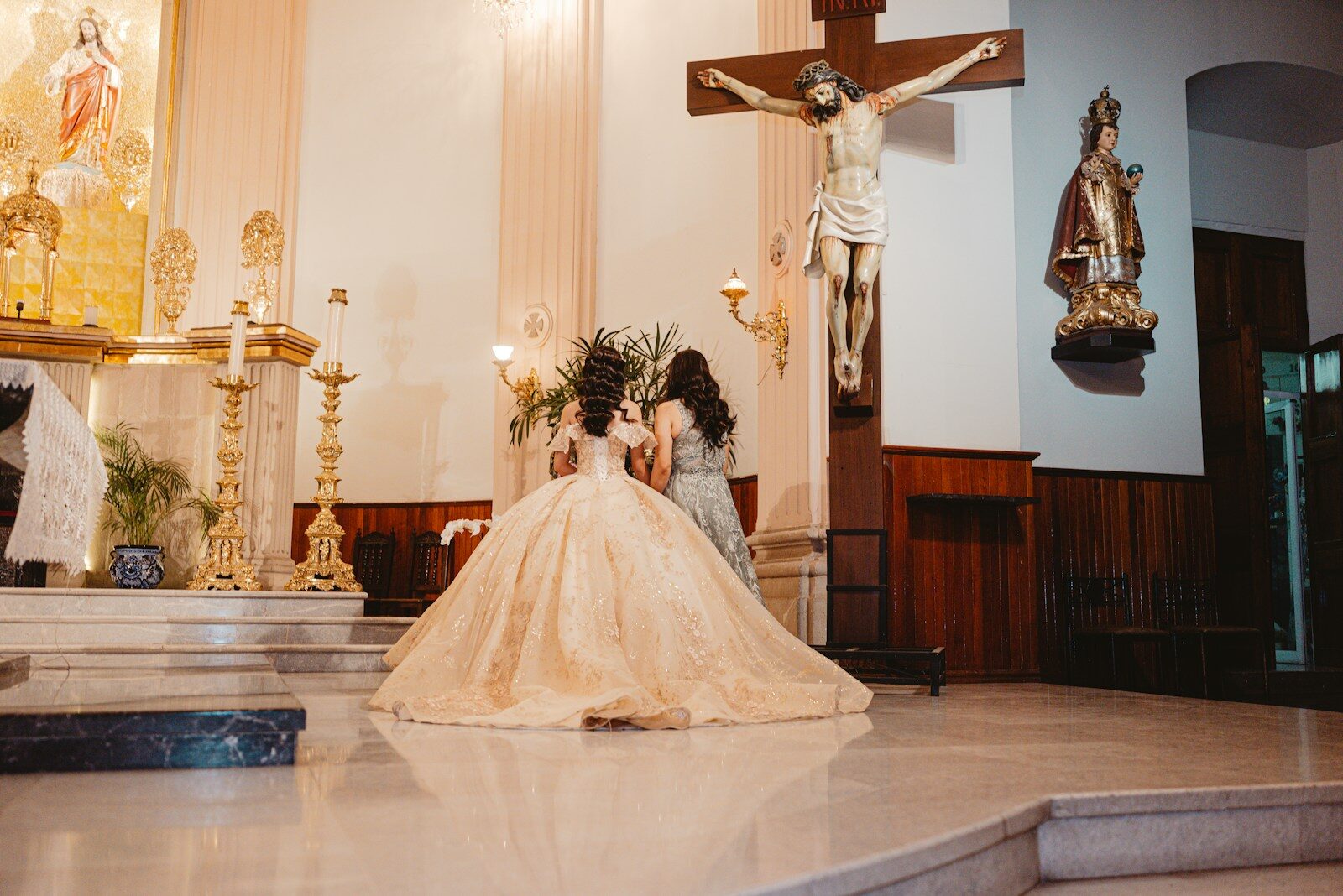
Quinceañera – when a birthday becomes a ritual of belonging and maturation
In many places around the world, the day you turn a certain age passes almost unnoticed. You receive a few messages, maybe a cake, a handful of photos, and another year quietly joins the others.
But in many Latin American countries, turning fifteen is something entirely different.
It is a threshold. A moment in which the community says, symbolically: we have watched you grow, and today we acknowledge that a new stage of your life is beginning.
This ritual is called the Quinceañera and it is one of the most well‑known rites of passage in Latin American culture. Its origins are older than they seem at first glance.
Historians believe the tradition blends initiation rituals from pre‑Columbian civilizations such as the Aztecs and the Maya with influences brought by Spanish colonization and Catholic liturgy in the 16th and 17th centuries.
Over time, these two traditions met and gave birth to a ceremony that still exists today, in different forms, in Mexico, Colombia, Venezuela, the Dominican Republic, and in many Latino communities in the United States.
The ritual often begins with a religious service in which the young woman expresses gratitude for her childhood and asks for blessings for the years ahead.
Then comes the festive ceremony. The elegant dress, the dance with her father, the symbolic change from flat shoes to high heels, the offering of a piece of jewelry or a religious medal, the presentation before family and community — all are symbolic gestures.
Not because they instantly transform a child into an adult. But because they publicly mark the fact that life is changing.
Anthropologist Arnold van Gennep, one of the first researchers to study rites of passage, observed that almost all cultures create special ceremonies when someone changes their social status.
Birth, maturation, marriage, or death are not just biological events.
They become meaningful moments when the community recognizes them through ritual.
Later, anthropologist Victor Turner showed that these moments briefly suspend the ordinary order of life and create a space in which the old identity is left behind and the new one begins to take shape.
Quinceañera is precisely such a threshold.
In recent years, the ritual has evolved along with society. Some teenagers choose religious ceremonies, others prefer modern parties, trips, or charitable projects instead of a lavish reception.
In some families, boys are also included through similar ceremonies called fiesta de quince años. The form changes, but the idea remains the same.
Life needs markers. Moments in which someone says: today is not just another birthday. Today we acknowledge that you have become someone new.
Perhaps this is why such rituals continue to exist.
Not because people need a party, but because we need important changes to be seen. To be shared. To be confirmed by those who accompany us.
Maybe each of us remembers a day when not only time passed, but identity shifted a little.
And sometimes, that is exactly what a ritual does. It doesn’t change who we are — it helps us recognize who we have become.
Three questions for you
Is there a moment in your life when you felt you stepped into a new stage, even if no ritual marked it?
What important change in your life would have deserved to be acknowledged and celebrated?
If you were to create a ritual today to mark the beginning of a new chapter, what symbolic gesture would you choose?
Share this article
 Support the article library
If this article has been meaningful to you and you’d like to support this project, you’re welcome to make a voluntary contribution.
This contribution helps me continue writing freely and developing the resource library about body, soul, rituals, emotions, and inner transformation.
