
The Prayer of the Heart – the ritual of silence that repeats until it descends into the heart
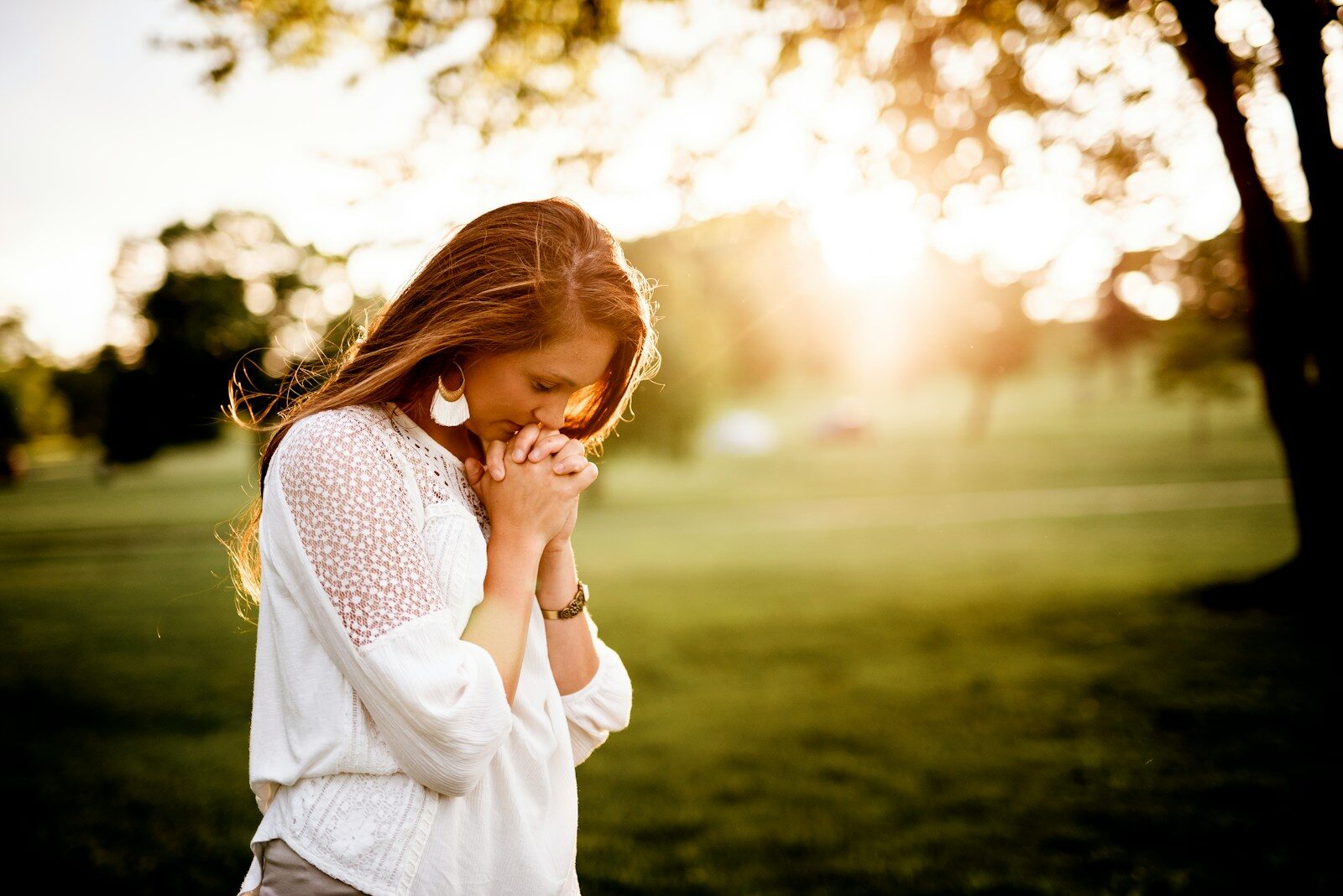
The Prayer of the Heart – when repetition doesn’t empty the words, but deepens them
There are rituals that can be seen. Pilgrimages, processions, lit candles, gestures performed together.
And there are rituals almost no one notices. A person walking slowly. A quiet breath. A prayer whispered softly, then only in the mind, until it seems no longer spoken by the lips but by the very heart of the one who carries it.
In the Orthodox tradition, this path is known as the Prayer of the Heart or the Jesus Prayer..
The formula is simple: “Lord Jesus Christ, Son of God, have mercy on me, a sinner.”
And yet, for nearly seventeen hundred years, this simple sentence has remained one of the most profound contemplative rituals of Eastern Christianity.
The earliest forms of this practice appear among the Desert Fathers — monks who, beginning in the 3rd and 4th centuries, withdrew into the deserts of Egypt, Syria, and Palestine in search of a life of unceasing prayer. Later, the tradition developed within Byzantine monasticism and the hesychast movement, where outer stillness and inner stillness became part of the same spiritual path. In Greek, hesychia means precisely this: quiet, deep silence.
It is no coincidence that the prayer is repeated hundreds or even thousands of times.
To someone watching from the outside, it may seem like simple repetition. To the one who practices it, each repetition is a return.
Not to say something new, but to become a little more present.
In many Orthodox monasteries, the prayer is accompanied by the metanier — the knotted prayer rope used to keep the rhythm of repetition. At first it is a conscious gesture. Over time, tradition says the prayer begins to flow on its own, becoming part of the breath and the inner rhythm of the person.
The historian of spirituality Kallistos Ware described the Prayer of the Heart not as a relaxation technique, but as a practice through which the whole being learns to live in a continuous state of presence before God.
Similarly, theologian and monk John Chryssavgis, in his studies on the hesychast tradition, shows that the purpose of repetition is not to empty the mind, but to unify the person: thoughts, body, breath, and heart stop pulling in different directions.
Seen outside its religious context, the Prayer of the Heart is also a fascinating example of how rituals use repetition to transform inner experience.
Anthropologists have long observed that repetitive gestures do not only transmit belief — they also create a particular state. The steady rhythm, the repeated words, and the synchronization with breath reduce everyday agitation and offer the mind a stable point around which it can reorganize.
Perhaps this is why similar practices appear in so many traditions around the world.
The mala used in Buddhism and Hinduism, the Catholic rosary, dhikr in Islam, or the Prayer of the Heart in Orthodoxy are very different in theology, yet share the same deep human intuition: sometimes transformation does not come from a new thought, but from a simple gesture repeated with attention.
Maybe this is one of the most beautiful things rituals show us.
Change does not always come through extraordinary events.
Sometimes it comes through a sentence spoken softly, hundreds of times. de sute de ori.
Until you are no longer the one saying it. It begins, slowly, to say you.
A question for you
Is there a phrase, a prayer, or a word you instinctively return to in difficult moments?
What shifts inside you when you repeat it?
And if you were to create a small ritual of quiet, what would it look like?
Share this article
 Support the article library
If this article has been meaningful to you and you’d like to support this project, you’re welcome to make a voluntary contribution.
This contribution helps me continue writing freely and developing the resource library about body, soul, rituals, emotions, and inner transformation.