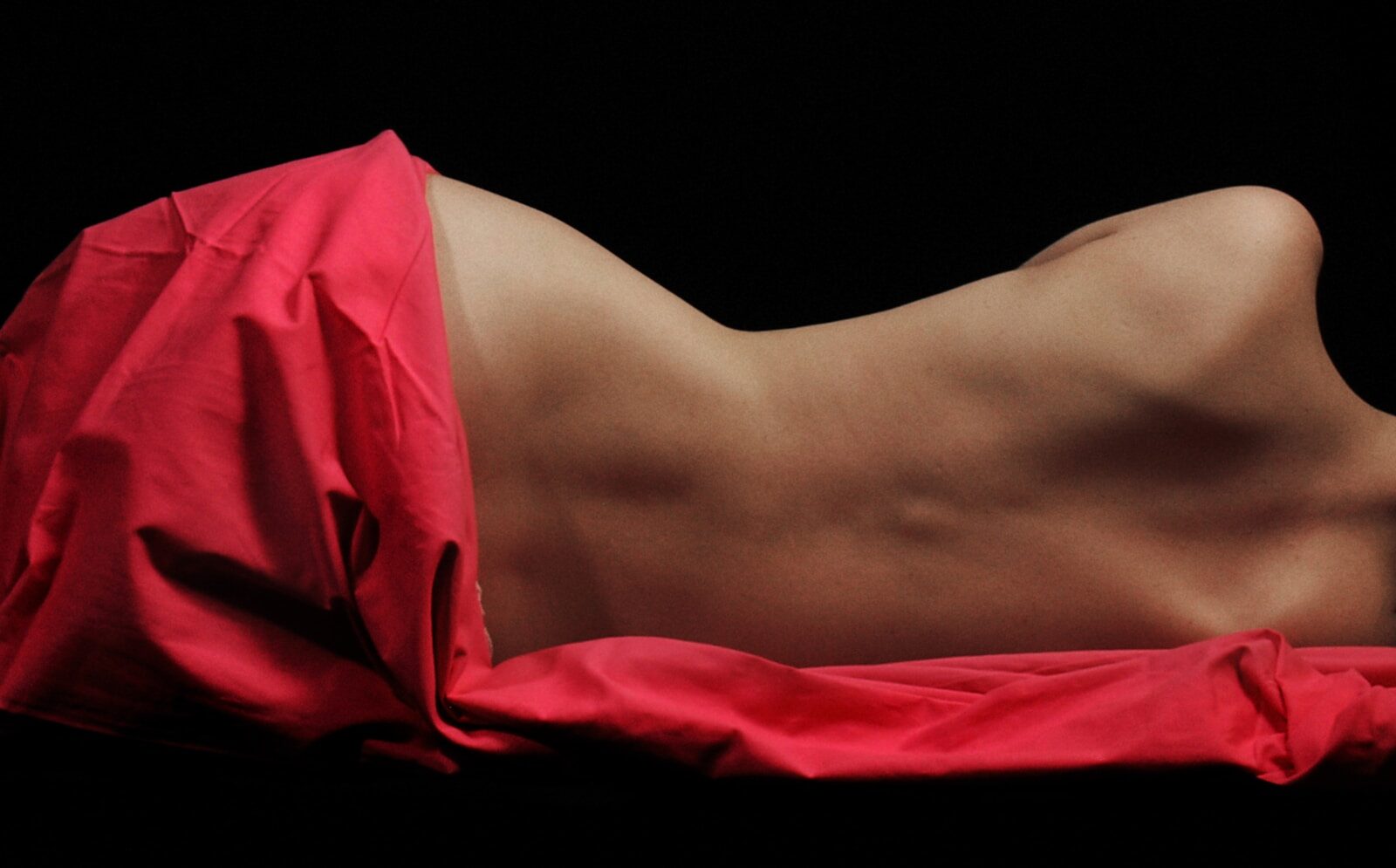
At home in the soul – wanderers through the universe
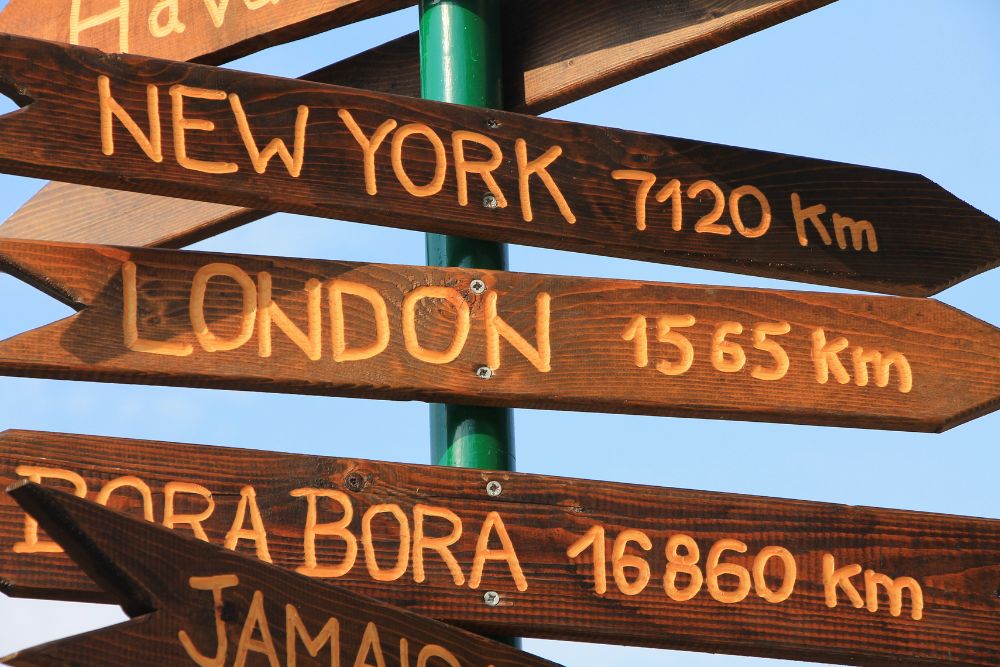
If these reflections resonated with you, you are welcome to share it further.
(at home within yourself, between roots and expansion)
What does it mean to be “at home in the soul” and, at the same time, a wanderer through the universe?
There comes a moment in every human life when we understand, perhaps for the first time truly, that “home” is not an address, not a room, not even a person. Home is a rhythm. A vibration. An inner settling that does not depend on geography, relationships, roles, or approval. It is the place you return to when the world becomes too large, too fast, too loud. It is the place where your breath remembers who you are, even when your mind forgets.
And yet, at the same time, we are made to wander. To lose ourselves. To explore. To step into the unknown with the same curiosity with which the universe expands every second. We are built from paradox: one part of us seeks stability, the other seeks infinity. One part wants roots, the other wants sky. One part wants peace, the other wants to burn.
Between these two movements — returning and leaving — our life unfolds. There, our wounds are born, there our revelations are born, and there our returns are born as well.
Sometimes we lose ourselves in people, in love, in promises, in old loyalties that no longer belong to us. Other times we lose ourselves in spiritual searching, in therapies, in paths that promise meaning but leave us emptier than before. Other times we lose ourselves in our own expectations, in perfectionism, in the desire to be “good,” “right,” “aligned.”
And yet, even when we lose ourselves, something within us remains still. A center. A hearth. A home.
That is where the body returns when the mind grows tired. That is where the soul returns when the world becomes too vast. That is where the child within us returns when it no longer knows where to go.
When we do not feel at home within ourselves
There are also moments when this inner space feels completely lost.
Not because it has disappeared. But because we can no longer feel it.
You may feel like a stranger in your own body. Far away from yourself, even when you have not moved anywhere.
Sometimes the signs are subtle:
- a restlessness with no clear reason
- a tiredness that sleep does not heal
- a constant need for validation
- the feeling that you are playing a role, but no longer know for whom
Other times they are more direct:
- you no longer know what you feel
- you no longer know what you want
- you no longer know who you are without the context of others
And perhaps this is exactly where another kind of journey begins. Not outward. But back into yourself.
If you want to explore this relationship with the body and its signals more deeply, you can also read the article about the body in family constellations — the place where sensations become language.
And perhaps this is the simplest and hardest truth to live: that we can be, at the same time, at home within ourselves and wanderers through the universe. That we do not have to choose between stability and freedom, between roots and sky, between stillness and expansion. That life is not a choice between two extremes, but a dance between them.
When you learn to be at home in your soul, the vastness of the world no longer frightens you. When you learn to be a wanderer through the universe, your own depth no longer frightens you.
Home becomes the place you leave from, not the place where you hide. The universe becomes the place where you expand, not the place where you lose yourself.
And somewhere between these two breaths, healing begins.
And perhaps true maturity does not begin when we know who we are, but when we learn to stay with ourselves while we change. To be at home even in the middle of transformation. To no longer fear our own becoming. To no longer cling to old identities simply because they are familiar. To no longer return to places that no longer receive us, just because they once gave us shelter.
Because sometimes, “home” is not a place where you stay, but a place you return to. An inner space that reshapes itself with every experience, every loss, every love, every separation.
A space that widens as you widen too.
The truth is that we cannot remain small in a world that asks us to expand. We cannot remain closed inside a body that wants to breathe. We cannot remain anchored in old loyalties when the soul calls us toward something else.
How this space gets lost
And yet, in every expansion there is fear.
The fear that, if we go too far, we will not find our way back. The fear that, if we open too much, we will lose what holds us together. The fear that, if we follow our calling, we will disappoint someone from our past.
This is where the systemic layer enters, the invisible layer, the part that connects us to our lineage, our roots, to stories that are not ours, but that we carry as if they were.
Sometimes we wander through the universe not because we want to, but because we are running away. Other times we cannot leave anywhere because we are anchored in histories that do not belong to us. And sometimes, paradoxically, wandering is the only way through which we can truly return home.
There are moments in constellations when you see clearly: someone in your system left too early, too suddenly, too far. And then, without knowing it, you begin to wander in their place. Or the opposite: someone remained stuck, frozen, unable to leave. And then you become the one who cannot leave anything behind, not even what hurts you.
That is how you begin to understand that not all wanderings are yours. Not all returns are yours. Not all fears are yours.
And yet, your body feels them as if they were.
When you begin to distinguish between what is yours and what belongs to others, between what comes from you and what comes through the lineage, between what is calling and what is loyalty, that is when the true return begins. Not the return to an old version of yourself, but the return to a truer version.
Being at home in the soul is not a static place. It is a living place. A place that breathes with you. A place that changes with every wandering through the universe.
And perhaps this is the most beautiful paradox: that we do not find home by avoiding the world, but by crossing through it. We do not find our center by avoiding wandering, but by softening it. We do not find peace by avoiding expansion, but by learning to stretch without breaking.
When you learn to be at home in your soul, you no longer fear the road. When you learn to be a wanderer through the universe, you no longer fear the return.
Because you finally understand that they are not two different movements. They are the same breath.
The body as compass
If there is one place where truth never lies, it is the body.
The mind can build stories, justify, rationalize, hide. But the body — the body tells everything.
It tells you when you are home and when you are lost. It tells you when you are in alignment with yourself and when you are betraying yourself. It tells you when you are in authentic expansion and when you are simply running away.
The body does not punish. The body calls you back.
Sometimes, the body knows before you do.It knows when a path is not yours, even if it seems logical. It knows when a person is not for you, even if they seem right. It knows when a “yes” is actually a “no,” and when a “no” is actually fear.
When you are at home in your soul, the body settles. The breath drops. The shoulders soften. The gaze becomes clear. There is no need to prove anything. No need to defend yourself. No need to shrink or inflate yourself. You simply are.
When you are a wanderer through the universe, the body awakens. You feel curiosity, vibration, a kind of gentle electricity. You feel yourself stretching, opening, allowing yourself to be carried. It is not agitation, not anxiety, not escape. It is living movement.
But when you lose yourself, the body cries out. Sometimes through exhaustion. Sometimes through tension. Sometimes through unexplained pain. Sometimes through insomnia, a lump in the throat, a tight stomach, a cut-off breath. Not because you are “broken,” but because you have gone too far away from yourself.
And perhaps this is the greatest gift: that we do not have to return through thoughts, but through sensations. Not through theories, but through presence. Not through analysis, but through listening.
The body is the compass that never gets lost. Even when you do.
If you want to go further in this direction, you can also explore the articles in the ituals and pilgrimagescategory, where these returns become concrete practices.
Rituals of return
Returning home to the soul is not an abstract concept. It is a practice. A repetition. A return. A small gesture, done again and again, until the body recognizes the way.
Rituals are not magic. They are rhythm. They are anchor. They are the bridge between wandering and returning.
Sometimes the ritual is so simple it almost seems ordinary:
- a slow, conscious breath descending into the abdomen
- a hand placed on the chest
- a short walk, with steady steps
- a candle lit in the evening
- a sentence whispered: “I am here.”
- a touch of the objects that connect you to yourself
- a glance toward the sky, like a greeting
Other times, the ritual is a return to the body:
- to feel your feet on the floor
- to feel your spine aligning
- to feel your real weight, not the imagined one
- to feel your heart beating, not because you are anxious, but because you are alive
And other times, the ritual is a return to the lineage:
- to say inwardly: “I see you.”
- to recognize what is not yours
- to leave behind what you can no longer carry
- to thank those who came before you
- to reclaim your place, not through struggle, but through presence
Rituals are not about perfection. They are about continuity.
Because the truth is this: we never truly lose ourselves. We only drift a little away. And we need a gesture, a rhythm, a breath, a touch, a sentence, a moment of silence in order to return.
Rituals are maps. The body is the compass. The soul is the home. The universe is the road.
And between all of these, you are the traveler who learns, again and again, that there is no final wandering. There are only temporary distances between you and yourself.
If you feel that you are in such a space — between leaving and returning — there is no need to rush anything. But you do not have to remain alone in it either. There are moments when clarity appears in time. And moments when it appears in relationship.
If you feel the need to explore these inner movements more deeply, you can discover the spațiul sesiunilor individuale — un cadru în care ceea ce este încă difuz începe, încet, să capete sens.
Frequently asked questions
Cum știu dacă sunt departe de mine?
De obicei nu e o idee, ci o senzație: neliniște, oboseală, lipsă de sens sau sentimentul că trăiești mai mult în exterior decât în interior.
Este normal să mă simt „pierdut(ă)” în anumite perioade?
Da. Este o etapă de tranziție, nu un eșec. De multe ori apare exact înainte de o reconfigurare interioară.
De ce oscilez între stabilitate și dorința de libertate?
Pentru că ambele fac parte din tine. Nu trebuie să alegi între ele, ci să înveți să le ții împreună.
Cum mă pot întoarce la mine?
Prin lucruri simple și repetate: respirație, prezență în corp, încetinire, ritualuri mici. Întoarcerea nu este un salt, este o revenire.
Poate că, în cele din urmă, tot ceea ce căutăm este un fel de echilibru între a rămâne și a pleca. Între a ne ancora și a ne deschide. Între a ne proteja și a ne expune. Între a ne întoarce în noi și a ne lăsa purtați de lume.
Nu suntem făcuți să trăim doar într-o singură direcție. Nu suntem făcuți doar pentru stabilitate sau doar pentru expansiune. Suntem făcuți pentru amândouă. Suntem puntea dintre rădăcini și cer. Suntem locul în care se întâlnesc liniștea și curiozitatea. Suntem casa și suntem drumul.
Și poate că adevărata libertate nu este să alegi una dintre ele, ci să înveți să le porți pe amândouă în același timp. Să fii acasă în suflet chiar și atunci când hoinărești prin univers. Să fii hoinar prin univers chiar și atunci când rămâi fidel centrului tău.
Pentru că acasă nu este un loc în care te oprești, ci un loc din care pornești. Și universul nu este un spațiu în care te pierzi, ci un spațiu în care te regăsești în forme noi.
Adevărata întoarcere nu este o destinație, ci o stare. O vibrație. O așezare. Un fel de a fi cu tine, indiferent unde ești.
Și poate că, dacă ar fi să reducem totul la o singură frază, ar fi aceasta: nu există rătăcire care să nu poată deveni drum înapoi.
Pentru că în fiecare pas, în fiecare respirație, în fiecare clipă de prezență, în fiecare atingere a propriului corp, în fiecare privire aruncată cerului, în fiecare „Sunt aici”, în fiecare „Mă întorc”, în fiecare „Îmi aparțin”, tu reconstruiești casa.
O casă care nu poate fi pierdută. O casă care nu poate fi luată. O casă care nu depinde de nimeni. O casă care nu se mută, dar se extinde odată cu tine.
Așa înveți, încet, blând, adevărat, că nu ești niciodată doar una dintre extreme. Ești întregul. Ești cercul complet. Ești acasă în suflet. Ești hoinar prin univers. Ești tot ceea ce ai fost și tot ceea ce devii.
Și poate că acesta este cel mai frumos lucru: că nu trebuie să te alegi între tine și lume. Pentru că, în realitate, nu au fost niciodată separate.
If you feel there's room for more, I invite you to discover the systemic way I work — through circles, conversations, and spaces of reflection dedicated to the inner process. Explore the approach through circles or the take a first step to see what opens up for you.
Share this article
Support the article library
If this article has been meaningful to you and you’d like to support this project, you’re welcome to make a voluntary contribution.
This contribution helps me continue writing freely and developing the resource library about body, soul, rituals, emotions, and inner transformation.