

Ancestral altars in China – the place kept in the home for those who came before
Ancestral altars – the ritual that keeps the family whole across generations
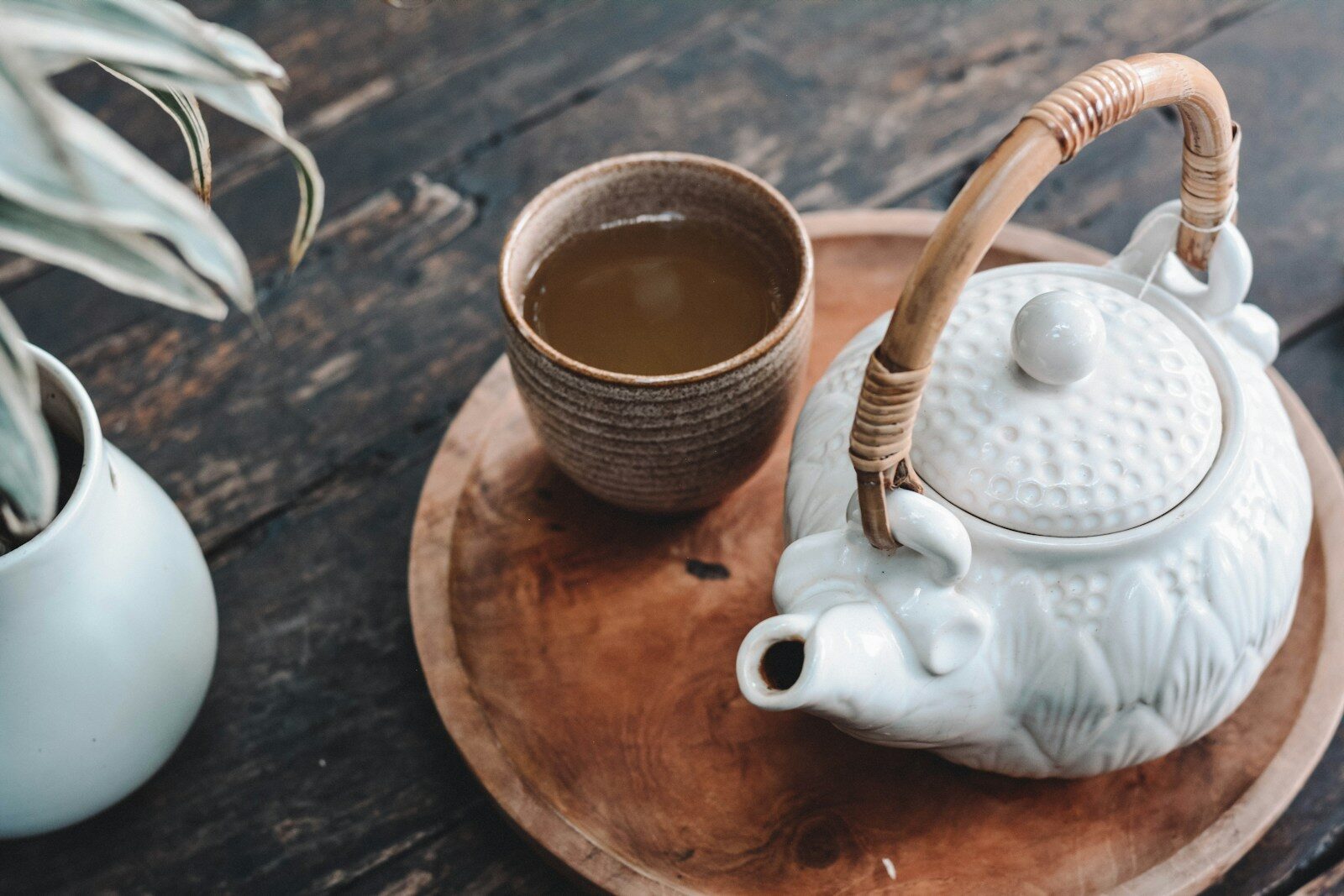
In some homes in China, there is a place where no one sits. It might be a small table, a shelf, or a cabinet placed in an important corner of the room. On it you’ll find photographs, wooden tablets inscribed with the names of those who have passed, bowls of fruit, tea, and a few sticks of incense.
At first glance, it looks like a place of memories.
But for the family who keeps it, the ancestral altar is more than that. It is the place where those who have died continue to be recognized as members of the family. They no longer sit at the table with everyone else. But they are not considered entirely absent either.
The practice of ancestor veneration has very old roots in China. Inscriptions on oracle bones from the Shang dynasty, more than three thousand years ago, show that people asked questions and offered gifts to their ancestors, believing that they could continue to influence the lives of the living. Later on, these rituals became an important part of both family life and the organization of clans and the state.
Over time, the forms changed.
In the ancestral temples of extended families, tablets from many generations could be kept. In homes, the altar was simpler and closer to everyday life. A photograph. A name. A bowl of water or tea. Fruit, pastries, or the food that person loved during their lifetime.
Sometimes candles or incense are lit. Other times, family members bow before the altar, say a few words, or simply tell what has happened lately.
The ancestral tablet, usually made of wood and inscribed with the name of the deceased, is not seen as a decorative object. It represents the symbolic place through which the ancestor remains present in the home and can receive food, tea, and other offerings.
The ritual is also connected to the Confucian idea of xiao – respect and responsibility toward parents and toward those from whom you come.
Care does not end with death. Just as parents cared for their children in life, descendants continue to honor them after they are gone.
In this way, the altar does not speak only about death. It speaks about reciprocity. About the fact that the life we live did not begin with us, and that, in a way, we continue something others began long before.
On certain days of the year, the rituals become more elaborate.
During Qingming, the spring festival dedicated to ancestors, many families go to the graves, clean the place, bring flowers and food, and light incense. The practice is not identical across all regions of China, but the central gesture remains the same: the departed are visited, tended to, and brought back for a few moments into the story of the family.
Anthropologist Maurice Freedman, known for his studies on family and descent in Chinese society, observed that ancestor rituals are not merely expressions of religious belief. They organize the relationships among the living. Through them, people remember where they belong, who came before, and what responsibilities they carry forward.
The altar becomes a quiet map of the family. It does not contain all the stories. Perhaps not even all the names.
In traditional forms, some branches of the family were more visible than others, and genealogy was often built around the male line.
But beyond the historical limits of the tradition, the gesture preserves a profoundly human question: What do we do with the bond once the person is no longer physically with us?
Contemporary research on grief shows that people do not always move through loss by severing the connection with the one who died. Often, the relationship continues in another form: through objects, inner conversations, symbolically offered food, or gestures repeated on certain days.
Perhaps the ancestral altar makes this visible. It does not try to deny death. It does not say that nothing has changed. But it also does not force the family to behave as if that person had never existed.
It keeps a place for them. A place that does not take up much space in the home, yet can hold entire generations.
Today, not all Chinese families keep a traditional altar. Migration, small apartments, political changes, and modern lifestyles have transformed these practices. Some altars have become more discreet. Some are found in temples, others in a corner of an apartment, and others exist only through a photograph and a gesture made on certain holidays. Rituals vary greatly from one region and one family to another, and they continue to adapt to contemporary life.
But perhaps an altar does not necessarily begin with a table, incense, or a wooden tablet. Perhaps it begins the moment we choose not to let a story disappear. When we speak someone’s name again. When we cook the recipe our grandmother used to make. When we keep an object that has little value for anyone else, but for us contains an entire life.
Ancestral altars remind us that a family is not made only of the people we can see. It is also made of those whose gestures continue through us. Of those from whom we received a name, a face, a fear, a strength, or a particular way of looking at the world.
We don’t need to believe that ancestors return in order to keep a place for them. It is enough to recognize that we came from somewhere. And that before our story began, life passed through many other hands.
Three questions for you
Is there an object, a photograph, or a gesture in your home through which someone who has passed continues to be present?
What have you received from your ancestors that you feel still lives through you?
If you were to create a symbolic place for those who came before you, what would you place there?
Share this article
 Support the article library
If this article has been meaningful to you and you’d like to support this project, you’re welcome to make a voluntary contribution.
This contribution helps me continue writing freely and developing the resource library about body, soul, rituals, emotions, and inner transformation.
