
Mardi Gras – when the city becomes celebration
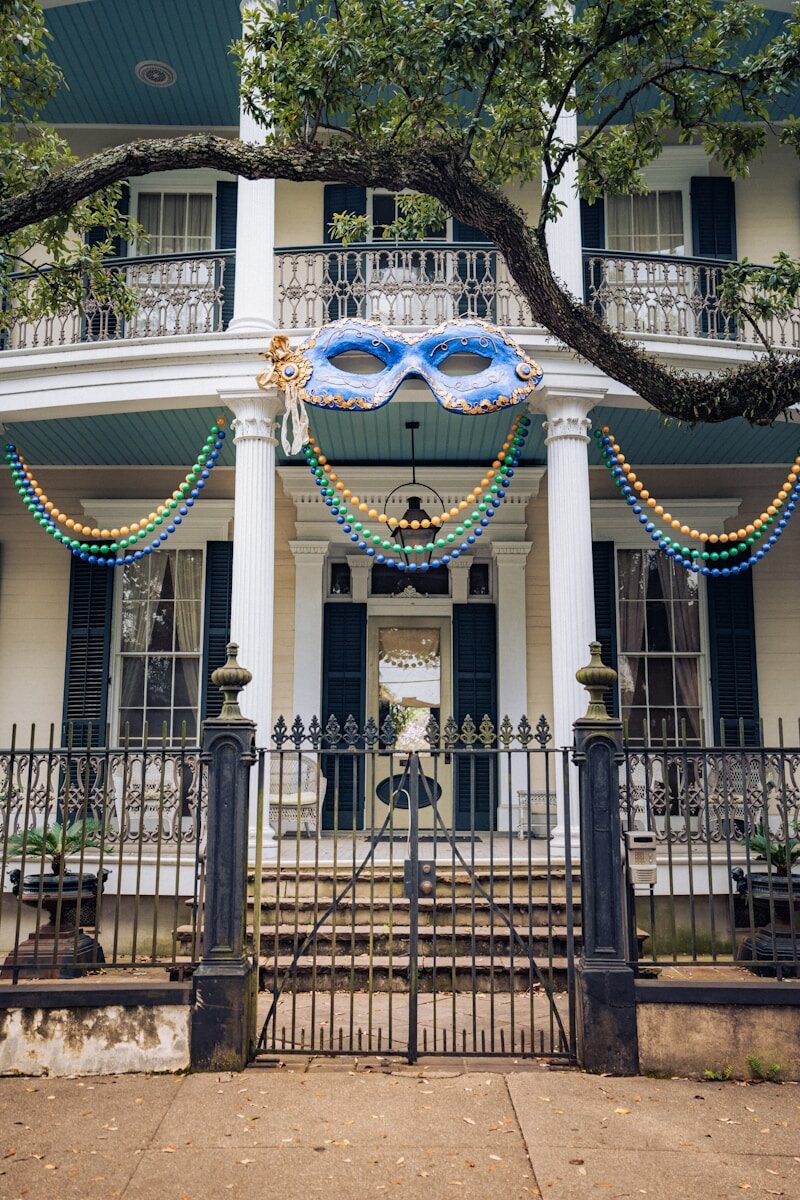
Mardi Gras – the ritual of masks, community, and the freedom to be different for a day
Once a year, the streets of New Orleans transform. Music echoes from every direction. Parades cross the city. Costumes grow more and more elaborate. Millions of people fill the streets.
This is Mardi Gras, one of the most famous carnivals in the world and one of the strongest collective rituals in the culture of New Orleans.
Its origins lie in medieval Europe. Centuries ago, Catholic communities held festivals and carnivals before the fasting period that leads to Easter. When French colonists arrived in Louisiana, this tradition crossed the ocean and began to take root in New Orleans, where it would grow into one of the most spectacular collective rituals of the modern world.
Today, Mardi Gras is the result of French, Spanish, African, Caribbean, and American influences coming together.
The festival begins several weeks before the main day and culminates on Mardi Gras itself, which takes place between February and early March, depending on the date of Easter. During this time, spectacular parades fill the city.
Traditional organizations called krewes prepare floats, costumes, and ceremonies that are repeated year after year. People wear masks, dance, sing, throw colorful bead necklaces, or join processions and parties that last late into the night.
Seen from the outside, Mardi Gras may look like nothing more than an explosion of color and fun. But from an anthropological perspective, carnivals have often had a deeper role.
Cultural historian Mikhail Bakhtin noted that great carnivals allow, for a limited time, the suspension of ordinary rules and the temporary reversal of social roles.
During the carnival, people can become someone else, wear a mask, try new forms of expression, step out of their everyday identities.
Anthropologist Shannon Lee Dawdy described New Orleans as a city where festivals and public rituals play an essential role in shaping community identity and collective memory.
Maybe this is one of the reasons Mardi Gras remains so important: it is not only about celebration, but about belonging, creativity, and the possibility of stepping outside the usual roles of life for a while.
Masks are everywhere. But paradoxically, they do not only hide identity — sometimes they reveal it.
In many cultures, rituals allow people to explore parts of themselves that usually stay in the shadows. Mardi Gras does this through color, music, and celebration.
Perhaps this is why it continues to fascinate people from all over the world. For a few days, the city becomes a stage, and every person becomes part of the story.
Sometimes, ritual does not mean silence. Sometimes, ritual means stepping into the street and remembering that joy can also be a form of belonging.
👉 If you could wear a mask for one day, what part of you would you let come to the surface?
👉 Are there moments when you feel the need to step out of the roles you play in daily life?
👉 What place do celebration and play have in your life right now?
 Susține această bibliotecă
If this article has been helpful to you and you feel it deserves support, you can contribute with a symbolic donation.
It helps me continue writing freely and developing this library of resources about the body, emotions, rituals, and inner transformation.