

Sports rituals in stadiums
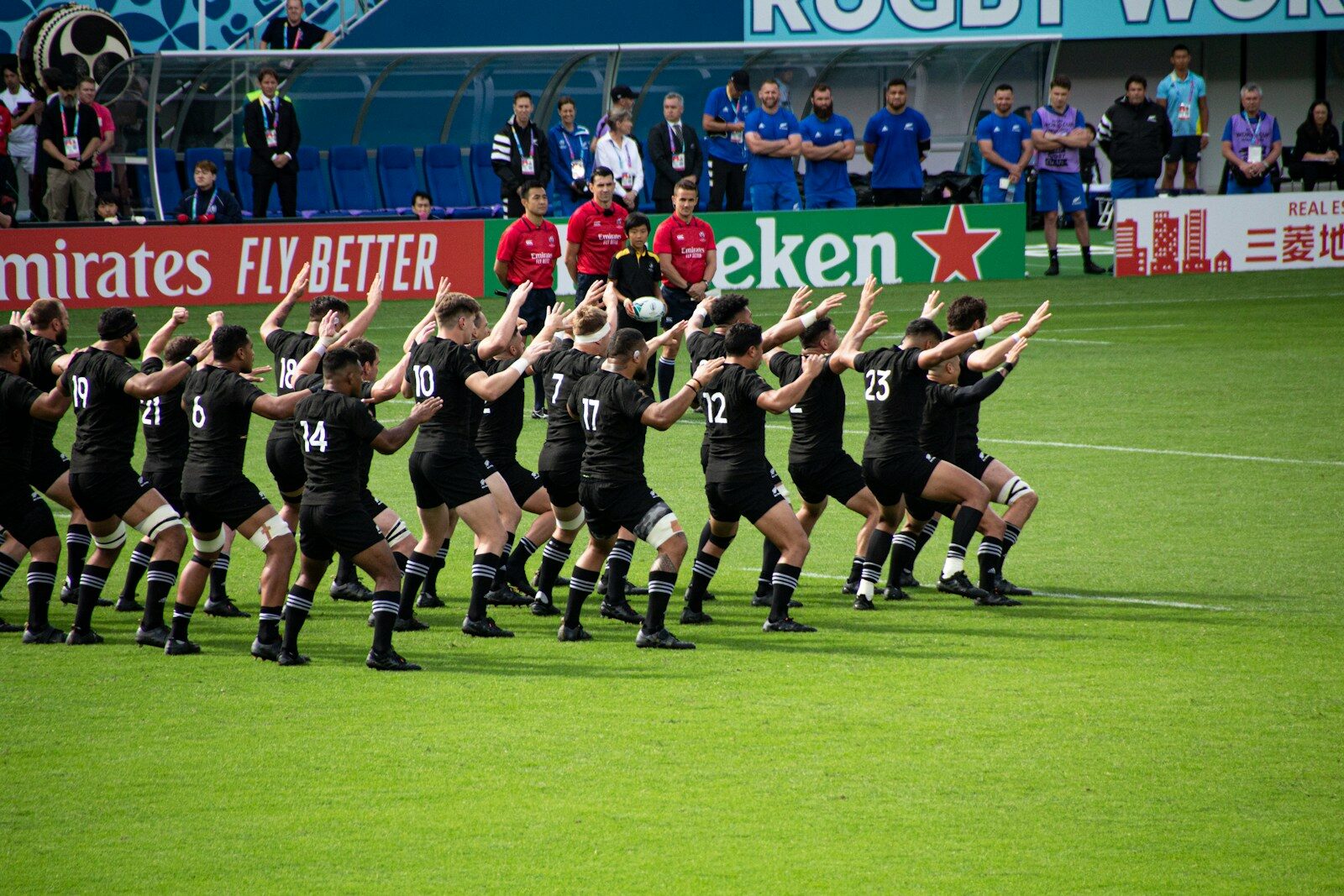
Sports rituals – why athletes repeat the same gestures before competitions
From the Olympic Games of Ancient Greece and sumo rituals in Japan to the Māori haka and the gestures of modern athletes, sports rituals continue to provide courage, focus, and a sense of belonging.
Rituals do not exist only in temples or sacred spaces. They also exist in stadiums.
Before major sporting competitions, many athletes and teams repeat the same actions:
- touching an object,
- saying a prayer,
- entering the field in a specific order,
- listening to the same song,
- or performing the same movements before a game.
Sports psychologists observe that these sports rituals help reduce anxiety and create a sense of focus and control before an intense moment. But anthropologists say the phenomenon is much older and deeper.
In Ancient Greece, Olympic competitions began with ceremonies and offerings dedicated to the gods.
In sumo wrestling in Japan, wrestlers throw salt into the ring before a match as a purification ritual — a practice preserved for centuries from the Shinto tradition.
The New Zealand national rugby union team performs the haka before matches — a Māori ritual dance associated with strength, unity, and collective presence.
Many contemporary football players make the sign of the cross or touch the grass before the game begins.
Sociologist Émile Durkheim observed that collective rituals create a powerful sense of belonging and shared energy.
Perhaps that is why sports rituals sometimes resemble traditional rituals so closely.
There is repetition. There are symbols. There is community. There is collective emotion.
And perhaps, beyond competition, people are searching for the same things they have always sought in rituals:
- courage,
- presence,
- belonging,
- and meaning in an intense moment.
👉 Do you have a gesture or small ritual that you perform before an important moment?
👉 Can you remember a time when such a ritual helped you feel calmer or more prepared?
👉 Do you think rituals belong only to religion and spirituality, or do they also have a place in everyday life, sports, work, and relationships?
Share this article
 Support the article library
If this article has been meaningful to you and you’d like to support this project, you’re welcome to make a voluntary contribution.
This contribution helps me continue writing freely and developing the resource library about body, soul, rituals, emotions, and inner transformation.
